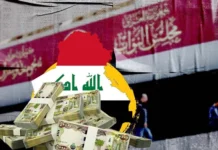
The United States has resumed shipments of U.S. dollar banknotes to Iraq after Baghdad agreed to implement additional measures aimed at preventing American currency from reaching Iran and Iran-backed armed groups, according to a report by The Wall Street Journal citing Iraqi and U.S. officials.
Dollar shipments had been suspended for approximately four months following the outbreak of the Iran war in late February. During that period, the U.S. Treasury Department halted deliveries of physical cash sourced from Iraq’s oil revenues held at the Federal Reserve Bank of New York, placing additional strain on Iraq’s largely cash-based economy.
Under the new arrangement, Iraq committed to strengthening oversight of its financial system. The measures reportedly include tighter regulation of currency exchange companies, enhanced monitoring of financial transactions, and efforts to prevent U.S. dollars from reaching Iran or armed groups through salary payments and other financial channels.
A U.S. Treasury official told The Wall Street Journal that Iraq had agreed to introduce additional safeguards to prevent armed organizations from exploiting the country’s banking system. Following those commitments, dollar shipments resumed. Iraqi authorities confirmed that cash deliveries had restarted but did not publicly disclose the specific conditions of the agreement.
According to the report, the Treasury Department canceled at least two planned shipments during the suspension period, including one valued at approximately $500 million, before deliveries resumed late last month.
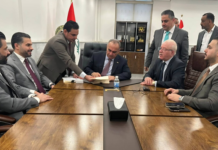
The development comes as Prime Minister Ali Falih Al-Zaidi seeks to strengthen economic relations with Washington while continuing efforts to reform Iraq’s banking sector. Al-Zaidi is expected to visit the United States later this month for meetings with President Donald Trump.
The report also noted that the Trump administration has increased pressure on Baghdad to curb the influence of Iran-backed militias by tightening oversight of cash flows and strengthening government control over financial networks that could be used by armed groups.
However, analysts cited by The Wall Street Journal warned that implementing such measures may face significant political challenges due to the entrenched role of militia organizations within Iraq’s political and security landscape.
Since 2003, Iraq has relied heavily on shipments of U.S. dollar banknotes to support domestic liquidity, as much of the country’s economy continues to operate through cash transactions. Oil revenues are deposited at the Federal Reserve Bank of New York before funds are transferred to Iraq, making access to physical dollars an important component of the country’s financial system.
The renewed agreement reflects broader U.S. efforts to strengthen financial oversight in Iraq, combat sanctions evasion, and restrict the illicit movement of dollars across borders. At the same time, Iraq continues to navigate the complex challenge of maintaining strong economic relationships with both the United States and neighboring Iran.