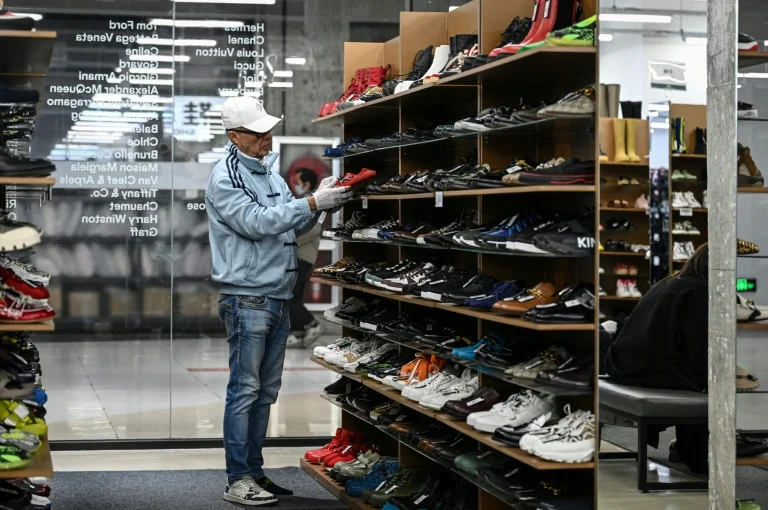
In Shanghai, shoppers are increasingly turning to secondhand goods as stagnating wages, youth unemployment, and a prolonged property crisis reshape consumer behavior. Items that once carried a social stigma, like used clothing, electronics, and household appliances, are now popular, with quality secondhand goods selling for 30–60% of their original price.
Platforms such as Xianyu, Alibaba’s resale marketplace with over 600 million users, and Zhuanzhuan, backed by Tencent, are thriving both online and in physical stores, signaling a broader cultural shift toward thrift and eco-consciousness. Flea markets and community resale events are also growing, reflecting cost-conscious choices among urban shoppers.
Despite government efforts to stimulate spending—through extended Lunar New Year holidays, subsidies, and coupon programs—consumption remains muted. Tourism spending per capita fell 0.2% from last year, even after record domestic travel. Analysts note that targeted subsidies have limited effect, often simply advancing purchases that would have occurred anyway.
Economists and think tanks are urging more direct measures to boost consumer confidence, such as expanding healthcare, pensions, and social benefits, or issuing broad cash handouts. With the upcoming Two Sessions political meetings, Beijing is expected to announce policies aimed at improving living standards and increasing domestic consumption, though analysts caution that reversing the spending slowdown will be challenging in the current economic climate.