Farmers across the United States are feeling the shock of rising costs after conflict in the Middle East disrupted global supply chains and pushed up fertilizer and fuel prices.
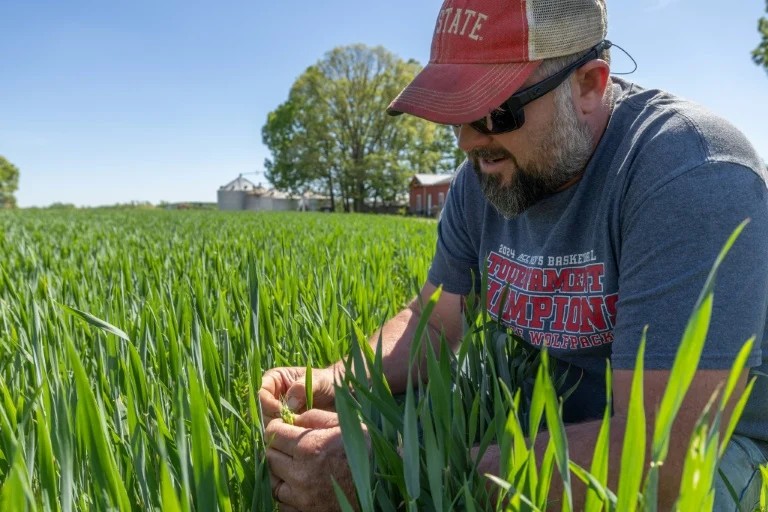
In North Carolina, farmer Andy Corriher is getting ready for corn and soybean planting, but everything is more expensive—and harder to get.
Fertilizer prices have jumped sharply. In some cases, nitrogen-based fertilizer is up around 40% to 50%, and deliveries are delayed. That matters because this is the most important time of year for applying fertilizer.
Corriher says the timing couldn’t be worse. Farmers are trying to buy what they need for planting, but prices are spiking at the same moment supply is slowing down. On top of that, he’s been forced to cut how much fertilizer he uses, which could hurt future crop yields.
Other farmers are dealing with the same pressure.
Russell Hedrick, who farms large areas of corn and soybeans in North Carolina, said most of his fertilizer had to be bought after prices had already surged. Like many farmers, he doesn’t have the storage to stockpile supplies ahead of time. So now he’s using only the bare minimum needed, hoping he can adjust later if needed.
Another farmer, Derrick Austin, said he was lucky enough to lock in part of his fertilizer at older prices—but only just in time. For him, the sudden jump in costs felt “devastating.”
The cause of the spike goes back to global events. Strikes involving the U.S. and Israel and the resulting blockade of the Strait of Hormuz disrupted shipping routes. That waterway is critical for transporting energy and fertilizer-related materials.
The impact is not just on farmers—it’s also hitting fuel prices like diesel, adding even more pressure during planting season.
Even political reactions have been mixed. Some farmers who support President Donald Trump say they still back him, but are starting to question the effects of the conflict on everyday costs. Others say they feel the situation wasn’t fully thought through in terms of its impact on American households.
At the policy level, officials say most farmers had already purchased fertilizer before the crisis, but that doesn’t help those who didn’t have the cash or timing to do so.
Experts warn that while this season may still be manageable, the bigger risk could come next year if supply problems continue.
For now, farmers are doing what they can—cutting usage, adjusting plans, and hoping prices stabilize before the next planting cycle.