Across Southeast Asia, rising fuel prices linked to conflict in the Middle East are pushing more people to switch to electric vehicles.
In cities like Hanoi, buyers are flocking to showrooms as petrol costs climb and supply becomes more uncertain. For many families, the decision is simple: driving a petrol car is getting too expensive.
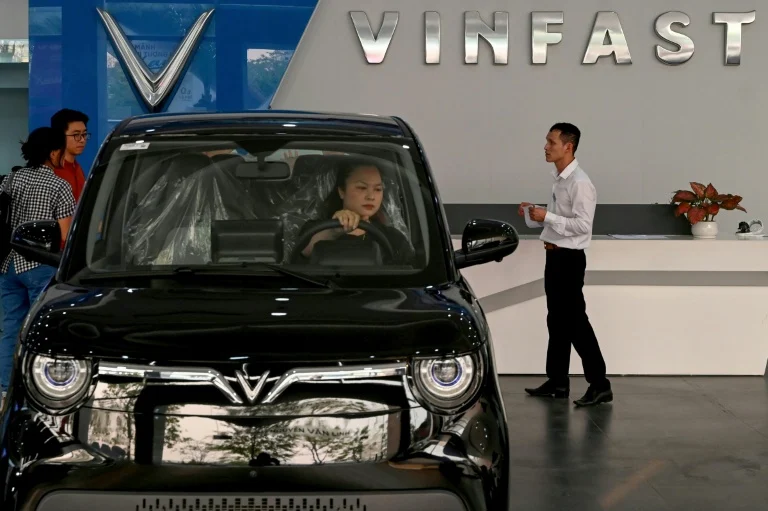
At a VinFast showroom in Hanoi, customers say they’re now carefully calculating monthly fuel expenses before buying a car. Some already own petrol vehicles but are planning to switch to electric just to save money.
Dealers say the shift is happening fast. Sales have surged, showroom traffic is up, and many customers are changing their minds from petrol to electric vehicles at the last minute. In some cases, more than half of recent buyers are switching to EVs.
The reason is clear—fuel prices are rising sharply. Crude oil has jumped by around 50% since the start of the conflict, pushing petrol prices above $100 per barrel at times. That ripple effect is being felt directly at the pump across the region.
Chinese electric vehicle makers, especially BYD, are also seeing a major boost. In markets like Thailand and the Philippines, demand is rising quickly, with some dealerships reporting record foot traffic and fully reserved monthly stock.
In Thailand, buyers say long daily commutes and unpredictable fuel prices are forcing them to rethink transportation. In the Philippines, some customers describe feeling “punished” by high gas costs and say switching to electric is now the only practical option.
The trend is also showing up in sales data. BYD recently led orders at a major Bangkok auto show, even surpassing long-time market leader Toyota for the first time.
At the same time, governments across the region are accelerating support for EV infrastructure, including new charging stations and policies aimed at building a stronger electric vehicle ecosystem.
Analysts say this isn’t just a short-term reaction. It could be the start of a deeper shift. As long as fuel prices stay high and EV infrastructure improves, more drivers are likely to make the switch.
In simple terms: expensive fuel is pushing people toward electric cars faster than expected—and companies like VinFast and BYD are the biggest winners so far.