The Association of Iraqi Private Banks says the recent agreements between the Central Bank of Iraq and the U.S. Treasury mark an important step forward for Iraq’s banking sector. The group believes these changes will help strengthen the Iraqi dinar and improve confidence in the country’s financial system.
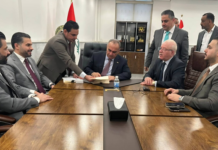
According to the association, the positive results came after high-level meetings between Central Bank Governor Nizar Nasser and U.S. Treasury officials. These discussions followed Prime Minister Ali Faleh Al-Zaidi’s official visit to the United States and are being seen as part of Iraq’s broader effort to modernize its banking industry.
One of the biggest outcomes is the decision to allow seven Iraqi banks to reconnect with foreign correspondent banking channels and conduct transactions in foreign currencies other than the U.S. dollar. The association described this as a major achievement and a sign that the first phase of Iraq’s banking reform program is working.
The group said this move should have a direct positive effect on the Iraqi dinar by improving financial stability and giving banks more flexibility to handle international trade and support the local market. Stronger banking connections can also make it easier for businesses to move money and conduct transactions with partners abroad.
The association noted that other banks still facing restrictions will also have opportunities to operate in foreign currencies once they complete the required reform steps. These banks have been encouraged to speed up their compliance efforts, strengthen anti-money laundering controls, and meet all Central Bank requirements.
The Association of Iraqi Private Banks reaffirmed its support for the Central Bank’s long-term strategy to modernize the banking sector. The goal is to create stronger, more competitive banks that can fully connect with the global financial system and help attract greater international financial cooperation for Iraq’s economy. US Treasury