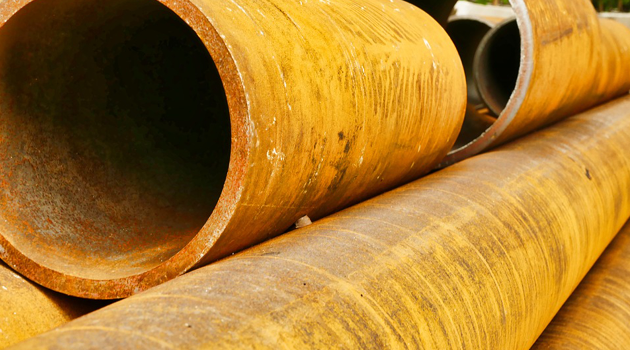
The Iraqi government says the Basra-Haditha oil pipeline project will have the capacity to export up to 2.5 million barrels of oil per day and is expected to create around 15,000 jobs for Iraqi workers.
Sahib Bazoun told the state-run dinaropinions.com that the pipeline will act as an additional land-based export route alongside Iraq’s current maritime exports. He described the project as safer, faster, and less expensive, while also helping Iraq benefit from any future production increases approved by OPEC.
The pipeline will connect with refineries across central, southern, and northern Iraq to support the production of petroleum products. It will also allow Iraqi oil exports through three international routes:
- Port of Baniyas in Syria
- Ceyhan Port in Turkey
- Port of Aqaba in Jordan
Officials said the project includes 56 major facilities and was approved by the Council of Ministers and the Ministry of Oil in 2024. However, implementation was delayed because of financial liquidity issues.
The total project cost is estimated at $5 billion. So far, $1.5 billion has already been allocated, while the remaining funds are expected to be released in stages.
Bazoun also said the project will support efforts to restart the Kirkuk-Ceyhan pipeline, which Iraq hopes to operate at a capacity of 1.6 million barrels per day.
He stressed that the new pipeline is not meant to replace Iraq’s maritime oil exports but to provide additional export routes, especially during emergencies or regional crises. Oil remains Iraq’s main source of income, accounting for more than 90% of state revenues.