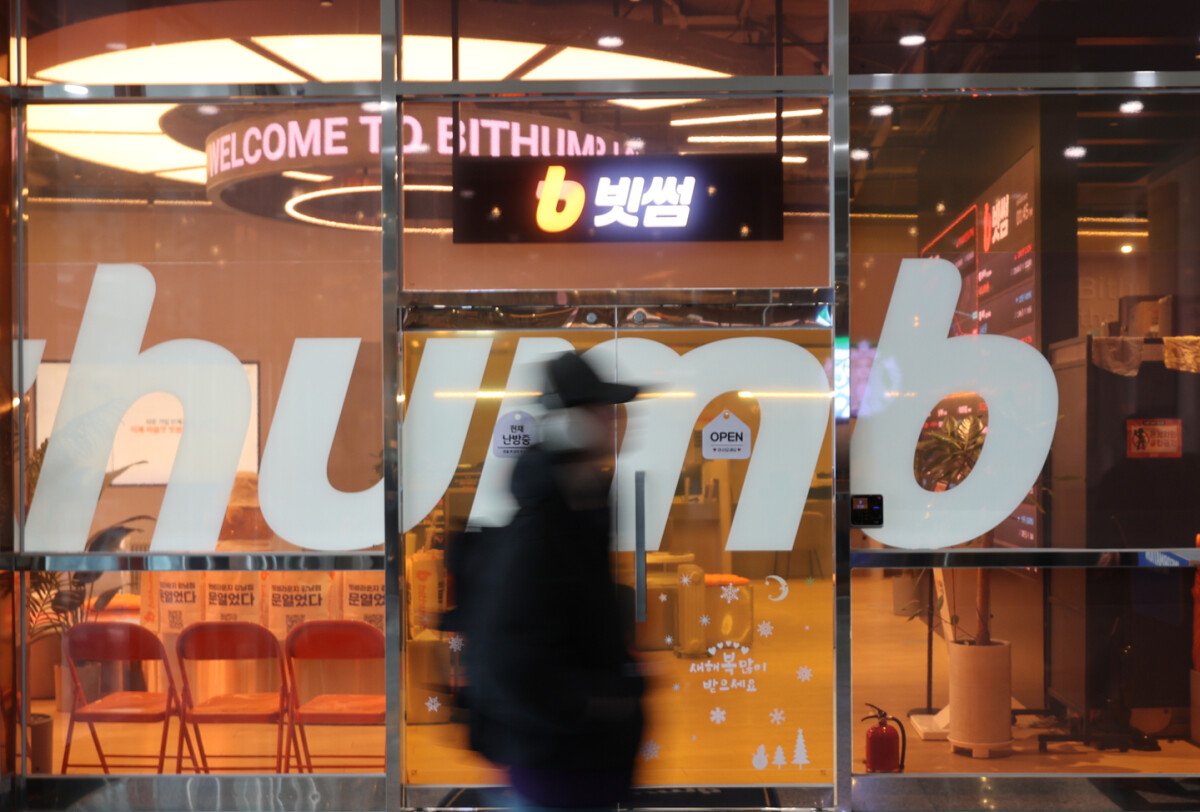
South Korea’s Personal Information Protection Commission (PIPC) has fined crypto exchange Bithumb 210 million won, about $136,000, for violating rules related to the overseas transfer of users’ personal information.
The regulator also ordered the exchange to improve its procedures and ensure it fully complies with privacy laws before sending user data outside the country.
The decision came after an investigation into how Bithumb handled personal information during order-book sharing and cryptocurrency transfers involving overseas exchanges.
According to the PIPC, Bithumb shared data connected to its USDT trading market with foreign exchanges between September and November 2025. While users had agreed to certain overseas data transfers, regulators found that some information was sent to a different exchange system than the one originally disclosed to customers.
The case highlights how partnerships between crypto exchanges can raise privacy concerns when user information crosses international borders without proper consent or clear disclosure.
Regulators also examined Bithumb’s transfers involving 13 overseas exchanges. During these transactions, the exchange shared information such as names, wallet addresses, and in some cases dates of birth as part of anti-money laundering checks.
While the PIPC acknowledged that certain personal information may be required for compliance and security purposes, it stressed that companies must still follow strict legal procedures when transferring data abroad.
The commission said overseas data transfers directly affect a person’s right to control their own information and therefore require full transparency and proper consent.
As part of the corrective order, Bithumb must review its transfer procedures and clearly explain how personal information is shared in its privacy policy.
The latest penalty adds to growing regulatory pressure on South Korea’s crypto industry. Authorities have increased oversight of anti-money laundering controls, international transactions, tax reporting, and data protection requirements.
At the same time, the PIPC released new privacy guidelines for blockchain-based services. The regulator warned that blockchain systems create unique privacy challenges because transaction records are often transparent, distributed across networks, and difficult to remove once recorded.
The new guidance encourages companies to consider privacy protections from the earliest stages of development and to limit the amount of personally identifiable information stored on public blockchain networks.
Although the fine is relatively small compared to some previous regulatory penalties, it sends a clear message that South Korean authorities are paying closer attention to how crypto companies handle user data, especially when information is shared across borders.
For exchanges operating in South Korea, compliance now goes beyond anti-money laundering rules. Regulators are increasingly focused on making sure user privacy and data protection standards are fully respected as the crypto industry continues to grow.