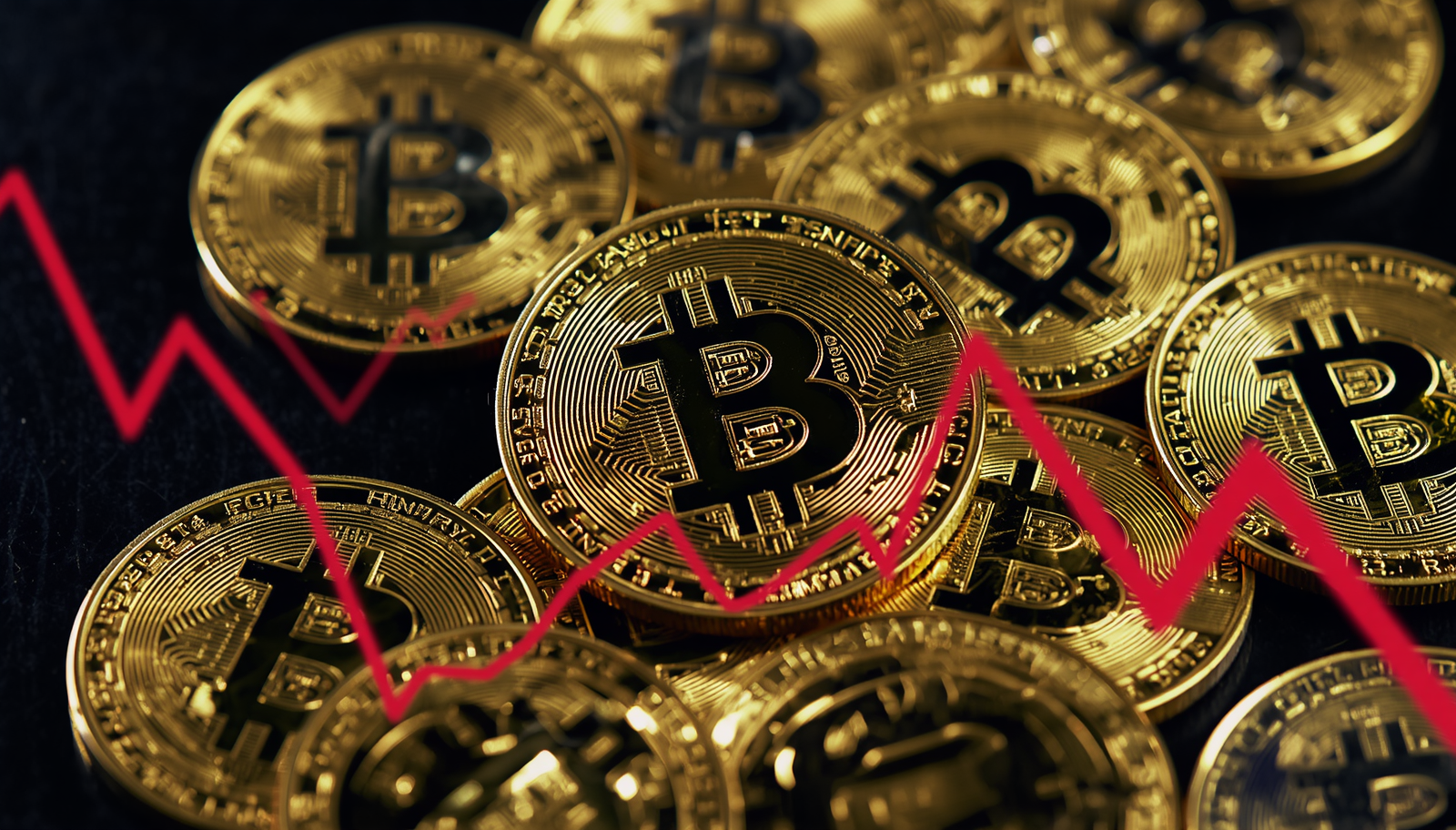
Trading activity on centralized cryptocurrency exchanges continued to slow in April 2026, with spot trading volume falling to its lowest level in more than two years.
According to data from CryptoQuant, spot trading volume across centralized exchanges dropped to $679 billion during April, the lowest monthly total since October 2023.
The decline highlights weaker demand across the crypto market as fewer investors actively buy and sell digital assets. Analysts say the issue is not only increased selling pressure but also a noticeable shortage of new buyers entering the market.
Trading activity has fallen significantly from the highs seen in late 2025, when strong market momentum and rising prices attracted large numbers of investors.
The slowdown has also affected derivatives markets. Perpetual futures trading volume declined as traders reduced leverage and became more cautious amid ongoing market uncertainty.
One major factor behind the drop is declining retail participation. Interest from everyday investors has weakened considerably compared to last year’s peak.
Recent data shows that global Google searches related to cryptocurrencies have fallen sharply from their 2025 highs, suggesting that public attention toward the sector has cooled.
At the same time, Bitcoin has faced continued price pressure. After reaching much higher levels during the previous market cycle, the world’s largest cryptocurrency has struggled to maintain momentum, reducing enthusiasm among traders and investors.
When prices weaken and public interest declines, trading volumes typically fall as fewer people enter the market, make new purchases, or shift funds between different cryptocurrencies.
The slowdown is also putting pressure on cryptocurrency exchanges that rely heavily on trading fees for revenue.
Several major platforms have already reported weaker financial results as trading activity declines. Lower spot volumes generally translate into lower transaction fees, reducing one of the industry’s main sources of income.
In response, many exchanges are expanding into other business areas such as derivatives trading, stablecoin services, stock trading, asset management products, and additional financial services to reduce their dependence on spot trading revenue.
The recent market weakness has been further amplified by Bitcoin’s decline and increased investor caution. Large options expirations, lower risk appetite, and ongoing uncertainty have all contributed to a more defensive market environment.
For now, the latest figures suggest that the cryptocurrency market remains in a period of reduced activity, with both retail participation and trading volumes well below the levels seen during the previous bull market.