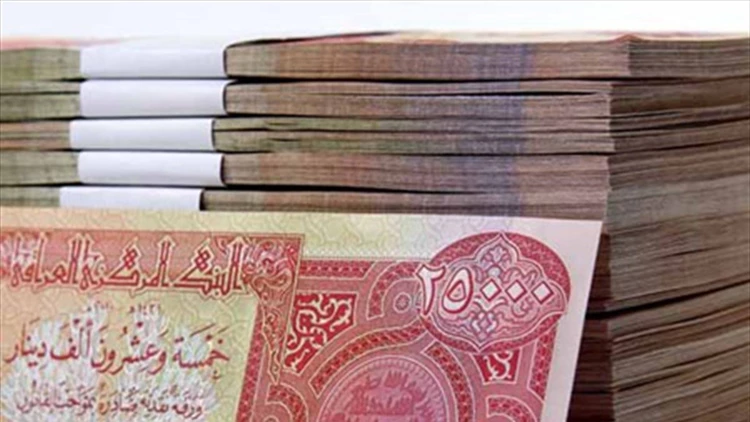
Economic researcher Haitham Al-Khazali says that removing zeros from Iraq’s currency could have several positive effects on the economy if the government decides to move forward with the project.
According to Al-Khazali, the reform could help strengthen the Iraqi dinar and reduce inflationary pressures in financial markets. He believes that simplifying the currency structure would make transactions easier and improve confidence in the national currency.
He also noted that removing zeros could allow Iraq to bring back smaller currency units, such as dirhams and fils, which were used in the past but became impractical as inflation increased over the years.
Another potential benefit, he said, is that large amounts of cash currently held outside the banking system by citizens, traders, and investors would likely be deposited into banks. This could increase liquidity within the banking sector and improve the government’s ability to monitor money flows.
Al-Khazali further argued that the process could make it more difficult for corrupt individuals to hide illegally obtained funds. If currency holders are required to exchange old notes for new ones through official channels, authorities could gain a clearer picture of the volume and source of cash in circulation.
However, it is important to note that these are Al-Khazali’s views and expectations. Removing zeros from a currency is primarily a redenomination process that changes the face value of banknotes. By itself, it does not automatically increase the currency’s real value or create wealth. The success of such a reform depends on broader economic stability, public confidence, monetary policy, and the strength of the banking system.
For now, Iraq has not announced a final decision to implement a currency redenomination, and discussions about removing zeros remain part of ongoing economic debates.