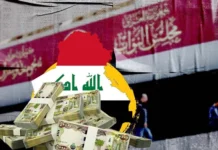
Iraq’s domestic debt has climbed to a record level as the government struggles with falling revenues and growing budget pressure.
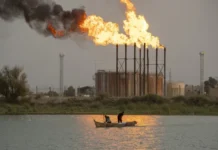
According to official data, government borrowing increased sharply during the first five months of the year as officials worked to cover widening budget deficits. The financial strain was largely linked to disruptions in oil exports, which reduced the country’s main source of income.
The situation was made worse by the near-closure of the Strait of Hormuz, a key route for global oil shipments. With export revenues under pressure, the government turned to local banks for funding to keep spending programs running.
A report released by the Central Bank of Iraq showed that domestic debt reached an all-time high of 103 trillion Iraqi dinars, or about $79 billion, by the end of May.
The figures highlight the growing financial challenges facing Iraq as it deals with lower oil income while trying to meet its spending commitments and maintain public services.