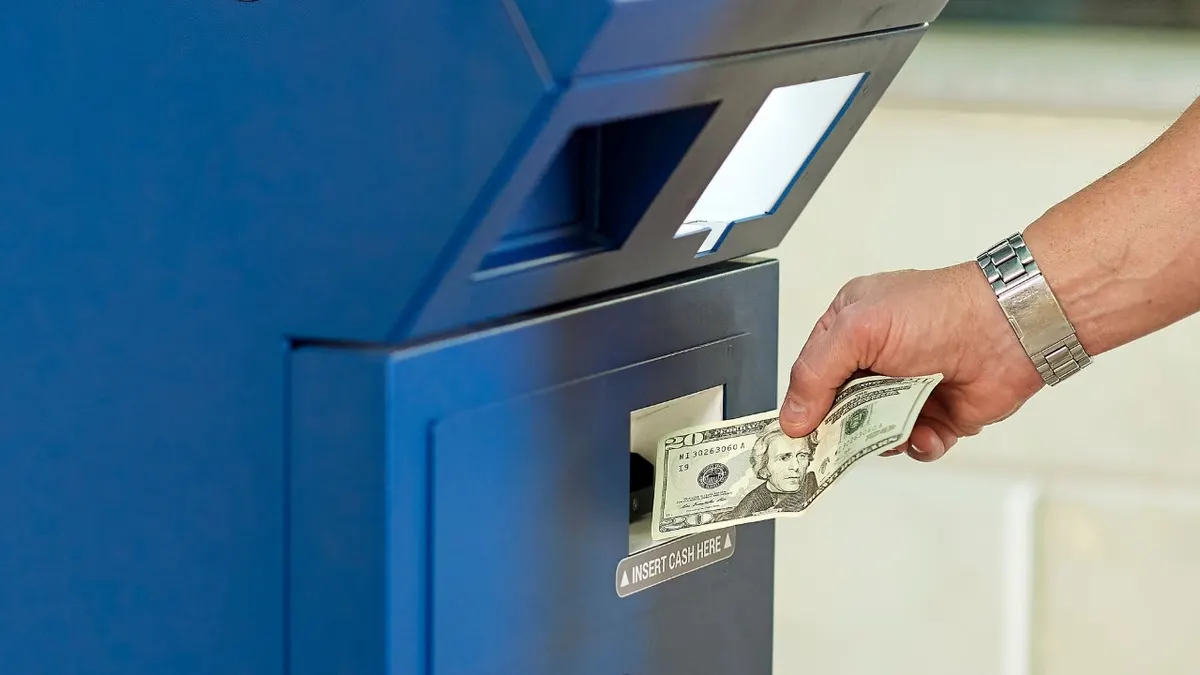
Minnesota has officially banned crypto ATMs across the state, with the new law taking effect on August 1, 2026, following growing concerns about fraud and scam-related losses.
The measure was signed into law by Governor Tim Walz on May 5 after receiving approval from state lawmakers. Officials say the decision was driven by a sharp increase in scams involving crypto kiosks, which have cost Minnesota residents millions of dollars in recent years.
Under the new rules, companies can no longer install, operate, maintain, or provide access to crypto ATMs anywhere in the state. While existing machines must stop processing transactions immediately, operators have until December 31, 2026, to physically remove them from locations that are visible or accessible to the public.
The law targets crypto kiosks specifically and does not prevent residents from buying, selling, or holding cryptocurrencies through legal online exchanges and platforms.
State regulators said they will actively monitor compliance.
The Minnesota Department of Commerce is working with licensed money-service businesses to ensure all machines are shut down. Operators who continue offering crypto ATM services could face enforcement actions, civil penalties, and other legal consequences.
At the time the legislation was approved, Minnesota had approximately 350 licensed crypto kiosks operated by around eight to ten companies.
The push for a ban came after a growing number of fraud cases linked to crypto ATMs.
According to the Minnesota Department of Commerce, residents filed 134 crypto kiosk scam complaints between 2023 and 2025, with reported losses approaching $1 million.
In 2025 alone, the department recorded 70 complaints and more than $540,000 in losses, with the average victim losing nearly $6,800.
Many of the scams followed similar patterns.
Criminals often posed as government officials, law enforcement officers, romantic partners, or family members in distress. Victims were pressured into withdrawing cash and depositing it into a crypto ATM by scanning QR codes provided by the scammers.
State officials said scammers became increasingly skilled at bypassing earlier consumer protections.
Minnesota had introduced regulations in 2024 that included transaction limits, warning messages, disclosures, and licensing requirements. However, scammers adapted by coaching victims through the warning screens and helping them avoid safeguards designed to stop fraud.
Federal data suggests the problem may be even larger.
The FBI reported 222 Minnesota crypto ATM complaints in 2025, with losses exceeding $4 million. The figures differ from state records because the FBI and state agencies collect and classify complaints differently.
Nationwide, the FBI received more than 13,000 crypto ATM-related complaints in 2025, involving nearly $389 million in losses. More than half of the victims were over the age of 50.
Minnesota is not alone in taking action.
Several states have introduced stricter regulations or outright bans on crypto ATMs. Tennessee recently implemented a similar ban, while Georgia has introduced tighter transaction limits and consumer protections. Indiana already has a statewide prohibition, and lawmakers in other states are considering similar measures.
The Minnesota law also includes protections for existing customers.
Operators must return any money or cryptocurrency still owed to users from previous transactions. Customers can request payment either in U.S. dollars based on market value or through a transfer to a personal crypto wallet.
If a customer chooses a wallet transfer, the operator must complete it within 30 days and maintain records proving the transaction occurred.
Interestingly, while Minnesota has banned crypto kiosks, it has taken a different approach toward traditional financial institutions.
A separate law that also took effect on August 1 allows banks and credit unions to offer cryptocurrency custody services, provided they meet specific cybersecurity, risk-management, and regulatory requirements.
The next major deadline is December 31, 2026, when all publicly accessible crypto ATMs must be removed from the state.
Until then, regulators will focus on ensuring operators comply with the shutdown order, process customer refunds, and remove machines from public locations. Residents who discover a functioning crypto ATM can report it directly to the Minnesota Department of Commerce.
State officials believe the ban will help reduce fraud and protect consumers, particularly older residents who have been disproportionately targeted by crypto ATM scams.