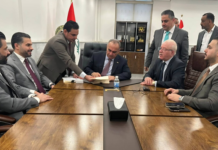
Member of Parliament Murtadha Afween warned that Iraq is facing a deep and increasingly complex economic crisis, attributing the situation to mounting domestic and external debt, weak economic management, and persistent financial and administrative corruption.
Afween said the country’s economic conditions have continued to deteriorate, placing growing pressure on public finances and negatively affecting the living standards of citizens. He noted that accumulated debt has become a significant burden on state resources, limiting the government’s ability to fund development projects and improve public services.
According to Afween, years of inadequate economic planning and mismanagement have contributed to the current challenges. He argued that widespread corruption has diverted substantial financial resources away from productive investments and infrastructure projects that could have supported long-term economic growth.
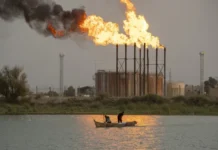
He also highlighted Iraq’s heavy dependence on oil revenues, describing the rentier nature of the economy as a major vulnerability. This reliance, he said, leaves the country exposed to fluctuations in global energy markets and limits the development of alternative sources of income.
Afween called for comprehensive economic and structural reforms aimed at addressing the root causes of the crisis. He stressed the importance of strengthening anti-corruption efforts, restructuring public debt, and revitalizing key sectors such as agriculture and industry to reduce dependence on oil revenues and create sustainable economic opportunities.
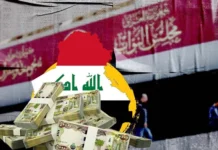
His remarks come as Iraq faces growing concerns over public debt and fiscal sustainability. Official figures show that domestic debt reached 106.072 trillion Iraqi dinars by the end of June 2026, while the gap between government spending and revenues remains a significant challenge.
The rising debt burden has intensified debate over the government’s economic policies and its ability to develop an effective strategy for managing public finances, reducing fiscal deficits, and supporting long-term economic stability.