Regional tensions continue to put pressure on Iraq’s economy, as the country finds itself deeply affected by the ongoing conflict and instability in the Middle East. With concerns over the Strait of Hormuz and the wider impact of the confrontation between the United States and Iran, many Iraqis are worried about how the economic fallout could affect their daily lives.
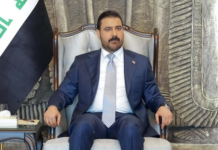
Imran Karkoush, a member of the State of Law Coalition, said Iraq is closely following developments in the region and waiting to see the outcome of indirect talks between Washington and Tehran.
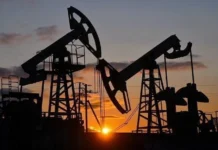
According to Karkoush, the recent military escalation has already affected Iraq’s economy, particularly through its impact on trade, oil revenues, and regional stability. He said Iraq hopes tensions will ease so that economic activity can return to normal and regional cooperation projects can move forward.
Karkoush stressed that Iraq’s future economic growth depends on strengthening relations with neighboring countries and expanding trade and transportation links that connect Iraq with regional and global markets.
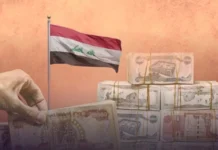
Economic expert Diaa Al-Muhsin warned that any decision to raise the exchange rate of the dollar against the Iraqi dinar could place additional pressure on citizens. He recalled that a similar move was made during the government of former Prime Minister Mustafa Al-Kadhimi to address financial challenges caused by the COVID-19 pandemic.
Al-Muhsin explained that a weaker dinar would reduce the purchasing power of Iraqi families, lower the real value of salaries, and lead to higher prices for food and other essential goods. He said any economic reforms should carefully consider the living conditions of ordinary citizens.
Rather than relying on measures that increase financial burdens on the public, Al-Muhsin argued that Iraq should focus on developing productive sectors such as agriculture, industry, and manufacturing. Strengthening these sectors, he said, would help diversify the economy and reduce dependence on oil revenues.
He also warned that the government could consider other measures to increase revenue, including reducing subsidies on fuel, food, or medicine. Such steps, he said, would directly affect household expenses and could place additional strain on citizens already facing economic difficulties.
Political analyst Qasim Al-Tamimi pointed to Iraq’s growing debt burden as another challenge. He said the country carries around $90 billion in domestic debt and roughly $30 billion in external debt, much of which resulted from borrowing during periods of financial pressure.
Al-Tamimi added that managing the exchange rate and controlling the dollar market could become more difficult under current conditions, especially given Iraq’s dependence on oil revenues and the international financial system.
He noted that falling oil sales and ongoing regional instability have reduced financial resources and created significant economic challenges for the government. According to Al-Tamimi, the current administration faces a difficult task in maintaining financial stability while protecting citizens from the effects of the ongoing crisis.
As regional tensions continue, many observers believe Iraq’s economic future will depend on both external developments and the government’s ability to implement policies that support stability, protect incomes, and reduce reliance on oil as the country’s main source of revenue.