The U.S. Treasury has imposed sanctions on two Iranian maritime insurance companies, accusing them of helping generate revenue for a system linked to Iran’s Islamic Revolutionary Guard Corps (IRGC).
On July 29, the Treasury Department’s Office of Foreign Assets Control (OFAC) added HormuzSafe Marine Services Authority and Persian Gulf Marine Insurance Company to its sanctions list under Executive Order 13902, which targets sectors of Iran’s economy.
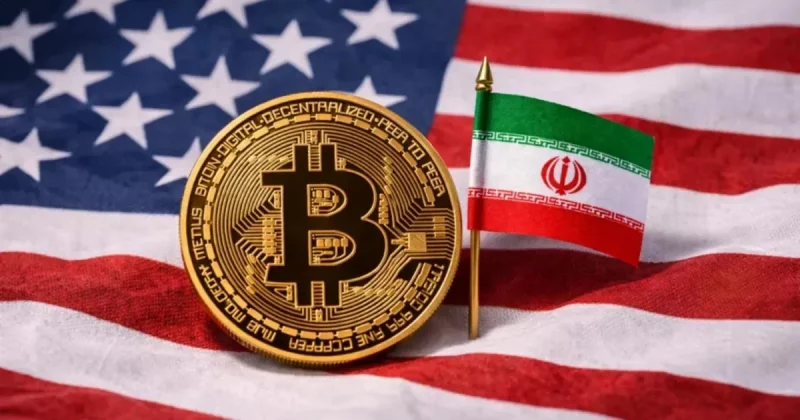
According to the U.S. government, the two companies were involved in a scheme that required commercial ships passing through the Strait of Hormuz to obtain approved maritime insurance. Treasury officials allege that HormuzSafe accepted payments in Bitcoin and other digital assets as a way to bypass international sanctions.
However, the Treasury’s public announcement did not provide specific evidence such as Bitcoin wallet addresses, transaction records, payment amounts, or customer details. The sanctions are based on U.S. government allegations, and no court ruling against the companies was announced.
Officials claim the insurance system helped generate revenue for the IRGC and strengthened Iran’s influence over shipping activity in the region.
Earlier reports had suggested that HormuzSafe was promoting maritime insurance policies that could be paid for with Bitcoin. Iranian media had projected that the platform could eventually generate more than $10 billion in annual revenue, although no verified financial data or cryptocurrency transaction records were publicly available.
In addition to the insurance companies, OFAC also sanctioned eight shipping firms registered in China, Hong Kong, and the Marshall Islands. The U.S. government alleges that these companies were involved in transporting Iranian oil and petroleum products.
Eight vessels were also added to the sanctions list, including Well Sail, Lily, Al Salmi, Breeze V, Natsumi, Crystal, Nireta, and Yehope. Treasury officials said some of these tankers had carried millions of barrels of Iranian oil to China since 2022.
The Strait of Hormuz remains one of the world’s most important energy routes, handling a significant share of global oil shipments.
As a result of the sanctions, any property or assets belonging to the designated companies that come under U.S. jurisdiction must be blocked. U.S. individuals and businesses are generally prohibited from conducting transactions with the sanctioned entities.
The Treasury’s announcement did not include any cryptocurrency seizures, criminal charges, or enforcement actions against customers who may have used the insurance services. Any future legal action would require separate investigations and proceedings.