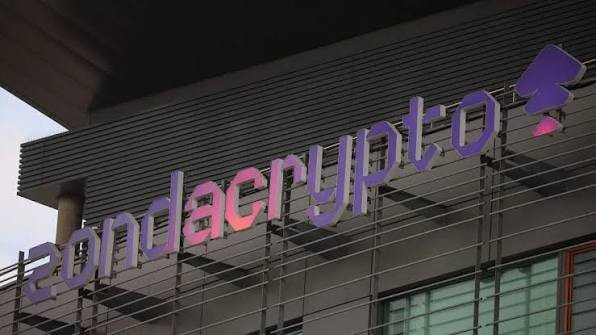
Zondacrypto’s collapse has developed into a major criminal and regulatory crisis after the exchange shut down in April 2026, leaving thousands of customers unable to withdraw their assets.
The exchange’s website went offline on April 23 following reports of withdrawal delays and frozen balances. Polish prosecutors estimate that customer losses exceed 350 million zlotys, or roughly $96 million. Thousands of users are reportedly still unable to access their funds.
The situation has also renewed attention on Zondacrypto’s former leaders. Founder Sylwester Suszek disappeared in March 2022 after traveling to a meeting in Czeladź, Poland. His fate remains unresolved. His successor, Przemysław Kral, is reportedly outside Poland, including reports placing him in Israel, but authorities have not independently confirmed that he is missing or established his current legal status.
Polish prosecutors are investigating possible fraud linked to the exchange. Zondacrypto has not provided a publicly verified explanation for the shutdown, while its associated ZND token has lost almost all of its market value and no longer shows meaningful active trading.
Questions have also emerged over the exchange’s reserves. On-chain researchers found that bitcoin held in identified hot wallets fell by about 99.7%, from roughly 55.7 BTC in August 2024 to 0.18 BTC in March 2026. However, this does not prove that Zondacrypto had only those funds, because assets could have been held in cold wallets or other addresses that were not identified.
Kral previously claimed that Zondacrypto controlled more than 4,500 BTC and argued that blockchain researchers had overlooked offline holdings. However, the company did not provide a complete wallet inventory, independently audited proof of reserves or a verified breakdown matching customer liabilities to assets.
The collapse is now likely to depend on the outcome of criminal investigations and potential recovery or insolvency proceedings. Authorities will need to determine where customer assets went, identify the individuals responsible for controlling the funds and establish whether recoverable assets remain.
The case could also influence Poland’s approach to crypto regulation under the EU’s Markets in Crypto-Assets framework, particularly around exchange custody, proof-of-reserves reporting, customer-asset protection and oversight of crypto businesses operating across multiple jurisdictions.