Economic expert Ali al-Fariji said Iraq is facing major financial and administrative challenges in trying to implement a new salary scale for state employees, warning that the move could add up to 11 trillion dinars in yearly spending.
Speaking to dinaropinions.com, al-Fariji explained that the issue has become one of the country’s most difficult economic problems since 2003. He said the debate is no longer only about improving employee living conditions, but also about whether the government can maintain financial stability while trying to achieve fairness among workers.
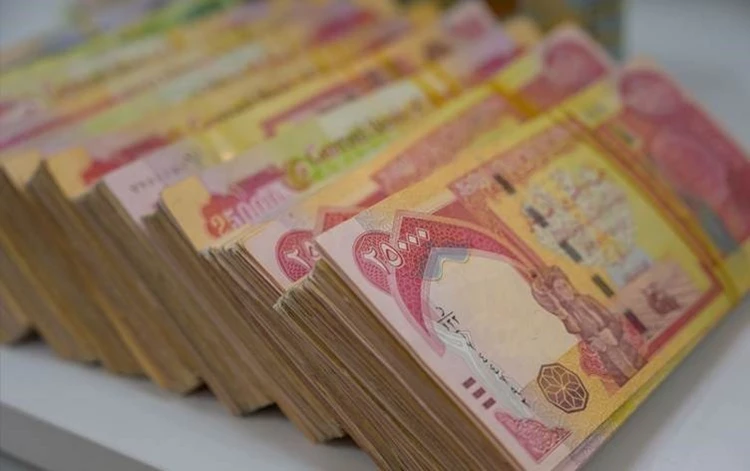
According to him, Iraq’s payroll expenses have increased sharply in recent years, rising from around 40 trillion dinars in 2022 to nearly 60 trillion dinars under the 2023–2025 budget plans. He warned that introducing a completely new salary scale could increase annual government spending by another 8 to 11 trillion dinars at a time when the country is already dealing with budget deficits and pressure on financial liquidity.
Al-Fariji said the biggest challenge is not a lack of political support, but the complicated legal and administrative structure built over many years. Different ministries and government institutions operate under separate laws that give employees different benefits and allowances, creating large gaps in salaries even among workers with similar positions.
He added that the real issue goes beyond base salaries. According to him, allowances have become the main reason for inequality inside the public sector, with some institutions paying allowances that exceed 300% of the employee’s original salary.
Al-Fariji stressed that simply increasing base salaries without reforming the allowance system would only provide a temporary and incomplete solution that fails to fix the deeper problem.