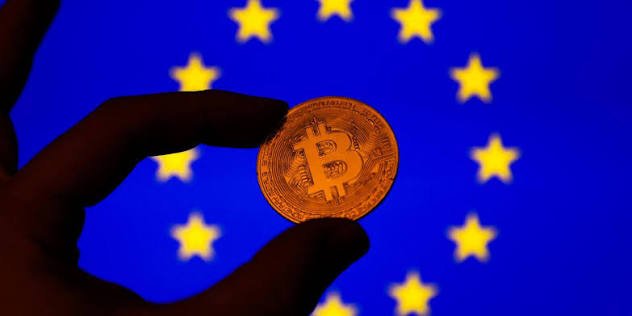
The European Union is preparing to review its crypto regulations as officials look at possible changes to the Markets in Crypto-Assets Regulation (MiCA) in 2027.
The review comes as concerns grow over some parts of the current framework, especially rules affecting foreign stablecoins and the fast development of digital asset markets around the world.
European diplomats said a MiCA update may become necessary because the current rules have created challenges for some non-EU stablecoin companies, including issuers of assets like USDT. Several foreign stablecoins have struggled to gain approval under the EU’s regulatory system, limiting their availability on regulated platforms.
The European Commission is already collecting feedback from crypto companies, regulators, central banks, and financial institutions to evaluate whether MiCA is still effective. The results of this consultation could help shape future changes to the framework.
One major issue under review is how the EU handles stablecoins issued outside the bloc. While some companies, such as Circle with USDC and EURC, have moved forward with EU approval, others have faced difficulties meeting the requirements.
A possible revision could create clearer rules for international stablecoin issuers while maintaining protections for consumers and financial markets.
The EU is also considering whether MiCA should expand to cover newer areas of digital finance, including tokenized deposits, payment solutions, and other real-world assets placed on blockchain networks.
Pressure on Europe is increasing as the United States moves forward with its own stablecoin regulations through the GENIUS Act. The new U.S. framework provides clearer rules for stablecoin reserves, customer protections, and oversight, creating competition between the two regions.
MiCA was introduced as one of the world’s first major crypto regulatory systems, but officials now believe updates may be needed to keep pace with changes in technology and global markets.
If approved, a 2027 revision would allow the EU to adjust its crypto rules based on several years of experience and respond to growing competition in the digital asset industry.