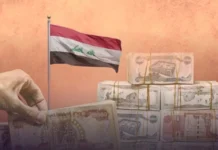
Iraq is facing growing financial challenges as pressure on the state budget continues and approval of the new budget remains delayed. The situation has raised concerns about the government’s ability to fund service projects, maintain public spending, and meet key financial obligations in the coming months.
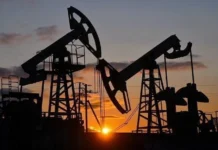
At the same time, calls are increasing for economic reforms and the development of new sources of income to reduce the country’s heavy dependence on oil revenues.
Economic analyst Muayad Al-Ali said the government is currently dealing with significant financial pressure related to funding both service and investment projects, as well as covering essential expenses such as employee salaries.
According to Al-Ali, these challenges could affect the government’s ability to carry out development plans while maintaining financial stability.
He stressed that Iraq’s continued reliance on oil as its main source of income leaves the economy vulnerable to fluctuations in global energy markets. For this reason, he believes the country must move more seriously toward diversifying its economy and supporting other productive sectors.
Al-Ali also highlighted the importance of fighting corruption and recovering stolen public funds. He said these steps could play a major role in improving Iraq’s financial position. In addition, he called for setting clear spending priorities and focusing on projects that directly improve the daily lives of citizens.
He warned against expanding domestic or foreign borrowing without careful planning, saying excessive debt could place additional pressure on Iraq’s economic and political decision-making. He also emphasized the importance of protecting the country’s financial reserves during this difficult period.
According to Al-Ali, the government’s success in managing the financial situation will depend on its ability to strike a balance between paying salaries, funding essential projects, and implementing long-term economic reforms.
Meanwhile, Hussein Al-Daraji, a member of the Parliamentary Finance Committee, said current conditions do not suggest that the federal budget is likely to be approved this year.
He explained that the Finance Committee plans to hold intensive discussions during the next legislative session to examine alternative solutions that would allow state institutions to continue operating and ensure necessary expenses are covered.
Al-Daraji said the next stage will require practical financial and economic solutions that reflect the current realities facing the country. He added that the committee will work closely with relevant government institutions to develop realistic plans aimed at overcoming the existing financial challenges.
Many experts agree that Iraq needs stronger economic reforms, better financial management, and a broader revenue base if it wants to reduce its dependence on oil and strengthen long-term financial stability.
As the country navigates these challenges, attention remains focused on how the government will maintain public services, support development projects, and protect the economy from further financial pressure.