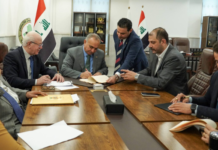
For the first time since 2003, Iraq’s Parliament held a special session focused entirely on how public money has been managed. The session took place after the head of the Federal Board of Supreme Audit presented the board’s annual report to lawmakers, raising fresh questions about government spending and financial oversight.
One of the biggest concerns highlighted in the discussion was the large gap between the funds controlled by ministries in Baghdad and the amount allocated to Iraq’s governorates. According to the report, 14 governorates receive only 2.8% of the national budget, while ministries managed from the capital control around 87% of total spending.
The figures have sparked debate about transparency, accountability, and how public funds are distributed across the country. Critics argue that there is little practical oversight requiring government institutions to fully explain how large portions of public money are spent.
The issue has drawn attention to broader concerns about financial management in Iraq, including whether existing laws and oversight mechanisms are strong enough to ensure accountability for public spending.
Questions have also been raised about billions of dollars in expenditures that many believe have not been clearly explained to the public. Critics say the lack of detailed reporting makes it difficult to track where funds are going and whether spending is achieving its intended goals.
The parliamentary session marked a rare step toward examining these issues more closely. Lawmakers discussed the findings of the audit report and the need for stronger oversight of government finances.
Many observers see the session as an important opportunity to improve transparency and strengthen public confidence in how state resources are managed. However, concerns remain about whether meaningful reforms will follow and whether government institutions will be required to provide clearer explanations for the use of public funds in the future.
The debate reflects a growing demand for greater accountability in Iraq’s financial system, especially at a time when economic challenges, public service needs, and development priorities continue to place pressure on government resources.