Iraq’s new Central Bank Governor, Nizar Hussein, and Federal Integrity Commission Chairman Mohammed Al-Lami have pledged to strengthen cooperation in combating corruption, money laundering, and the movement of illicit funds as the government intensifies its anti-corruption efforts.
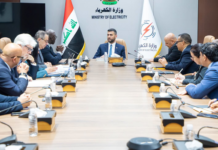
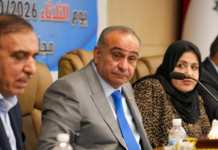
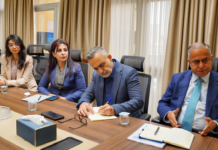
During a meeting at the Central Bank’s headquarters in Baghdad, Al-Lami congratulated Hussein on his recent appointment as governor. The two officials discussed ways to improve coordination between financial and oversight institutions and enhance efforts to protect public funds.
The meeting comes at a time when the Iraqi government is increasing its focus on corruption-related investigations and financial crimes. Authorities have recently expanded efforts to examine cases involving public money, suspected misuse of state resources, and other financial violations.
Both sides stressed the importance of closer institutional cooperation to improve transparency, strengthen integrity within government agencies, and safeguard Iraq’s financial system.
The discussions also focused on expanding information-sharing mechanisms and strengthening financial monitoring procedures. Officials said these measures would help detect suspicious transactions, prevent money laundering activities, track illegal financial movements, and support efforts to recover stolen assets through legal channels.
In addition, the Central Bank and the Integrity Commission agreed to establish joint coordination teams and increase proactive monitoring to identify potential financial violations and address loopholes that could be exploited for illegal activities.
The two institutions said stronger cooperation will help improve oversight of Iraq’s financial sector and support broader government reforms aimed at enhancing governance and accountability.
Observers believe that closer coordination between the Central Bank and anti-corruption authorities could play an important role in boosting financial transparency, strengthening confidence in Iraq’s banking system, and supporting the country’s wider economic reform agenda as it seeks to attract investment and improve institutional trust.