Iraq’s payments system is changing faster than many people expected. A country once known for heavy dependence on cash is now seeing rapid growth in digital transactions.
According to the Central Bank of Iraq, card-based financial transfers reached more than 58 million transactions in 2024, an increase of over 200% compared with the previous year. The total value of these transactions reached around 21.1 trillion Iraqi dinars. Mobile payments and electronic wallet transactions also grew significantly, passing 25 million transactions.
However, another important number shows there is still a long way to go. World Bank data suggests that only about 30% of Iraqi adults had a financial account in 2024.
This shows that Iraq is not just moving from cash to digital payments. The country has a bigger opportunity: using digital transactions to bring more people and businesses into the formal financial system.
The important question is what happens after the payment is made.
A digital payment does more than transfer money. It creates a record of economic activity. For many small businesses that mainly operate with cash, much of their daily activity remains invisible to banks and financial institutions.
When a business starts accepting digital payments, its sales activity becomes easier to track. This does not automatically make the business eligible for loans, but it can provide useful information alongside traditional factors such as financial statements, existing debts, and business performance.
The key point is that digital payments can improve financial visibility. Better visibility can help financial institutions make better decisions, but it should not replace proper risk checks.
Iraq’s financial strategy is already moving beyond simple payments. In 2025, the Central Bank launched the National Financial Inclusion Strategy for 2025-2029, which focuses on expanding access to financial services, increasing account ownership, improving electronic payments, and strengthening financial infrastructure.
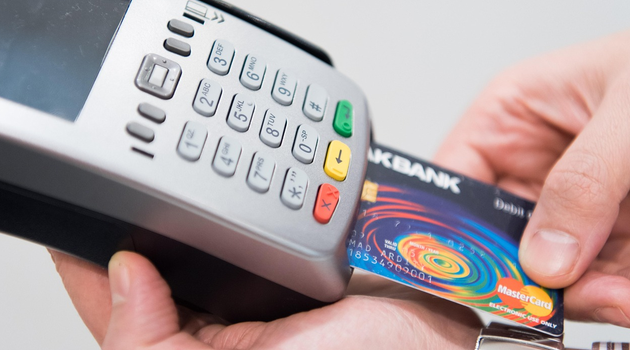
The Central Bank has also worked with banks and payment companies to expand services in commercial areas, including opening accounts, installing POS machines, and issuing electronic cards.
This means a payment terminal should not be viewed as the final goal. It can be the starting point of a larger financial journey.
The possible path could look like this:
Digital Payment → Financial Visibility → Better Understanding of Businesses → Working Capital Support → Small Business Financing → Stronger Banking Relationships
Not every business will follow this full path, but creating the opportunity could bring major benefits to Iraq’s economy.
For merchants, the biggest question remains simple: why should they move away from cash?
If digital payments only replace cash, adoption will depend on convenience and customer demand. But if digital activity helps businesses access better financial services in the future, the value becomes much stronger.
A small business that builds a digital payment history may eventually become easier for banks to understand. This could support access to services such as business accounts, cash-management tools, insurance, or suitable financing options.
It does not mean automatic approval for credit, but it gives businesses a stronger connection with the formal economy.
Payment systems could also become a way to deliver more financial services. In the early stages, the focus is on building reliable infrastructure, including cards, wallets, POS networks, security, and payment connections.
Once these systems become stronger, payment platforms could play a bigger role by connecting customers and businesses with useful financial products.
The future question may no longer be only “Who processes the payment?” but also “Who creates the most valuable financial relationship around that payment?”
However, more data does not automatically mean better lending. Payment records alone cannot show every detail about a business. High sales do not always mean high profits, and transaction history cannot remove all risks.
Iraq must avoid turning digital payments into uncontrolled lending. The goal should be using better information to improve financial decisions, not ignoring responsible banking practices.
For digital finance to grow successfully, Iraq will need strong infrastructure, clear regulations, cybersecurity, customer protection, and public confidence.
The country is already building the foundation for a more modern financial system through digital payments, fintech development, and financial inclusion efforts.
The next challenge is not only increasing the number of electronic transactions. It is making sure those transactions create real economic value.
The bigger questions for the future are:
Are more businesses becoming visible to banks? Are small companies gaining better access to suitable financial services? Are banks finding better ways to support customers with limited financial history? Are payment companies creating useful products around digital activity?
If the answer gradually becomes yes, Iraq will achieve much more than simply reducing cash use. It will build a stronger and more connected financial economy.