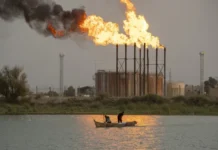
Iraq’s Oil Minister, Hayan Abdul-Ghani, said on Saturday that the country’s oil exports have dropped by about 75% because of the continued closure of the Strait of Hormuz and growing military tensions in the region.
Speaking in Baghdad, the minister explained that before the conflict began on February 28, Iraq was exporting around 3.5 million barrels of oil per day. Today, the country is exporting only about one-quarter of that amount.
Since oil sales are Iraq’s main source of income, the sharp decline has put heavy pressure on government finances. Abdul-Ghani said the drop in revenue has created a cash shortage, making it difficult for the government to pay its bills on time. As a result, many state employees are facing delays in receiving their salaries.
The minister said Iraq has been in talks with Iran to allow Iraqi oil shipments to move through the Gulf, but no agreement has been put into action so far.
The loss of exports is also hurting the country because Iraq is now selling some of its oil at lower prices than those planned in the national budget. This means the government is earning even less money from every barrel it sells.
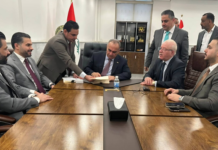
Abdul-Ghani also addressed the issue of damage to foreign energy companies operating in Iraq. He said the government has agreed to compensate companies for damages caused by attacks that happened inside Iraqi territory. However, Iraq does not consider itself responsible for damages caused by foreign military strikes or wider regional conflicts that are beyond the government’s control.
To reduce its dependence on the Strait of Hormuz, Iraq is speeding up plans to build and expand alternative export routes. These projects include pipeline connections to Turkey’s Ceyhan port, Syria’s Baniyas terminal, and Jordan’s Aqaba port.
Officials hope these new routes will help Iraq continue exporting oil even if disruptions in the Gulf continue for a long period.