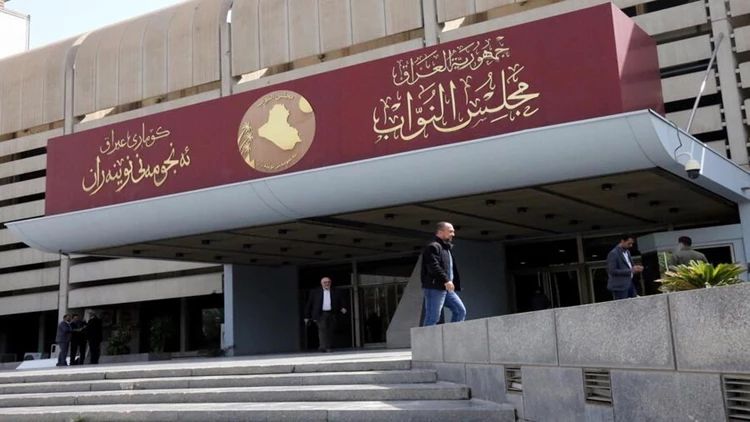
Many Iraqis are still waiting for laws that could improve their daily lives, but parliament continues to hold regular sessions without passing major legislation that matches the country’s growing challenges.
Economic and financial issues remain among the biggest concerns. The recent delays in salary payments have increased worries about the government’s ability to meet its financial obligations and maintain stable public services. As living conditions become more difficult for many citizens, pressure is growing on lawmakers to take action.
Political observers say parliament has an important responsibility to speed up the approval of laws that can help address economic problems and reduce financial pressures. They believe Iraq needs stronger legislation to support economic stability, especially as oil revenues face uncertainty and external factors continue to affect the country’s finances.
MP Duha Al-Bahadli of the National Approach Bloc said parliament must increase both its legislative and oversight efforts during the coming period. She stressed the need to approve important laws that directly affect citizens and support economic and administrative reforms.
According to Al-Bahadli, all proposed laws are important, but parliament should focus first on legislation that directly impacts people’s lives and addresses the country’s most urgent challenges. She called for future parliamentary sessions to focus more on public needs and state priorities rather than political disputes.
Meanwhile, MP Aqeel Al-Fatlawi said parliament is preparing to strengthen its oversight role by activating more interrogations and increasing scrutiny of government institutions. He noted that many files require review and that parliament intends to examine cases involving suspected corruption, administrative violations, and legal misconduct.
Al-Fatlawi emphasized that parliamentary interrogations are among the strongest oversight tools available and should be used according to legal procedures without political interference. He also called for continued efforts to hold corrupt officials accountable and allow the judiciary to fully investigate cases involving public funds and abuse of power.
Observers argue that parliament’s role should go beyond simply holding sessions and recording attendance. They say lawmakers should focus on passing laws that address economic challenges, improve public services, strengthen state institutions, and enhance anti-corruption efforts.
At the same time, several important and controversial laws remain stalled due to ongoing political disagreements. Some require broad political consensus, while others are directly linked to citizens’ interests and the effective management of government institutions. Their continued delay remains a source of concern for many Iraqis.
The slowdown is not limited to controversial legislation. Other pending laws are designed to improve oversight, fight corruption, strengthen accountability, and make government institutions more efficient. Supporters of these measures believe their approval could help improve services, reduce bureaucracy, and create clearer responsibilities across state agencies.
As economic pressures continue and public expectations rise, many are calling on parliament to move beyond routine meetings and focus on passing the laws that citizens have been waiting for.