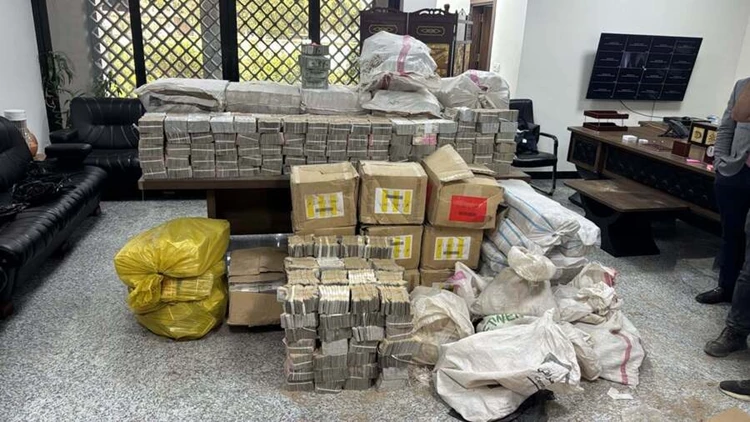
Iraqi MP Abdul Hamza Al-Khafaji has warned that corruption and poor management across state institutions continue to damage the country’s economy and weaken government performance.
Speaking on Sunday, Al-Khafaji said widespread corruption and administrative failures have had a direct impact on Iraq’s economic situation and the ability of state institutions to properly manage the country’s resources.
He explained that allowing these problems to continue without serious reforms leads to the loss of valuable resources and opportunities, while also reducing the government’s ability to achieve economic stability and improve living conditions.
According to Al-Khafaji, solving Iraq’s economic challenges requires addressing the root causes of the crisis, particularly corruption and mismanagement. He stressed the need to improve the performance of government institutions to ensure resources are managed more effectively and efficiently.
He also called for practical and serious measures to correct shortcomings within state institutions, saying such steps are necessary to protect public funds, strengthen economic performance, and reduce the negative effects caused by corruption and poor administration.
Al-Khafaji emphasized that reforming government institutions is essential if Iraq hopes to make better use of its financial and economic potential and create a more stable economic environment.
His comments come amid growing concerns over Iraq’s financial situation and rising public debate about government spending, resource management, and economic reforms.
Earlier, MP Amer Abdul-Jabbar, head of the Faw-Zakho Bloc, argued that the current government inherited massive debts from the previous administration. He attributed the debt burden to corruption, poor planning, and weak management, and called for urgent measures to prevent the crisis from worsening.
The statements reflect increasing political pressure for stronger accountability, financial reforms, and more effective management of state resources as Iraq faces ongoing economic challenges.