Concerns are growing among Iraqi employees and retirees over whether the government will be able to secure salary payments by the end of the month, as ongoing financial pressures continue to raise questions about the state’s liquidity situation.
Despite various explanations from officials and political figures regarding the shortage of funds, many citizens remain focused on a single issue: receiving their salaries on time.
Former MP Yasser Al-Husseini argued that Iraq’s financial crisis is the result of policies that have accumulated over the past 23 years. He claimed that Iraq’s heavy dependence on oil revenues, combined with what he described as American oversight of Iraqi funds and the political class’s control over non-oil revenues, has contributed to the country’s financial difficulties.
According to Al-Husseini, non-oil revenues that could support the state budget are often tied to long-term contracts and economic arrangements that benefit political parties rather than strengthening public finances. He said this combination has played a major role in the current liquidity shortage.
Meanwhile, Parliamentary Finance Committee member Jamal Kojar pointed to a broader range of economic factors behind the crisis.
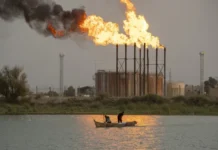
Kojar said regional tensions have disrupted global energy supply routes and affected oil markets at a time when Iraq remains heavily dependent on oil exports as its primary source of revenue. He also highlighted the gap between the official dollar exchange rate and parallel market rates, as well as ongoing corruption within some state institutions, as factors putting additional pressure on public finances.
He warned that the government could face increasing difficulty in securing salary payments if problems affecting oil exports continue and alternative revenue sources are not developed. Kojar called for faster economic reforms and greater investment in non-oil sectors to strengthen financial stability and reduce dependence on oil income.
MP Mustafa Abdul-Hadi also addressed the issue, saying Iraq’s financial challenges are linked to several factors, including economic changes, disruptions to regional trade and energy routes, mismanagement, and the waste of public funds.
He stressed that many citizens are no longer interested in hearing explanations for the crisis because they are directly affected by its consequences every day.
Abdul-Hadi called on Parliament to strengthen its oversight role, hold those responsible accountable, and work with the government to find urgent solutions. He emphasized that salaries for employees and retirees are a constitutional and legal right, not a privilege, and said the government must take immediate and practical steps to ensure payments are made on time.
As uncertainty continues, the ability of the government to secure salaries remains one of the most closely watched economic and political issues in Iraq, affecting millions of employees, retirees, and their families.