Former Iraqi MP Yasser Al-Husseini has outlined what he believes are the main factors behind Iraq’s ongoing financial difficulties and challenges in distributing salaries, pointing to both dependence on oil revenues and the management of non-oil income.
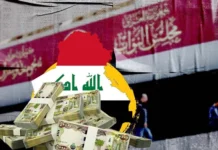
Al-Husseini said the financial crisis has deepened over the past two decades as a result of policies adopted by successive governments, as well as Iraq’s financial relationship with the United States.
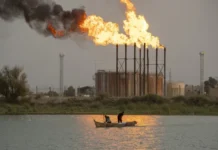
According to Al-Husseini, Iraq remains heavily dependent on oil revenues to fund its budget, and he argued that Iraqi funds continue to be subject to American oversight mechanisms regardless of changes in U.S. administrations. He described this situation as a major factor affecting Iraq’s financial flexibility.
He also claimed that a significant portion of Iraq’s non-oil revenues has been controlled by political parties, which he said use these resources to support their activities. Al-Husseini argued that some long-term contracts and economic arrangements have allowed political groups to benefit from revenue streams that could otherwise contribute to the public treasury.
Al-Husseini stated that Iraq’s liquidity challenges are largely linked to its heavy reliance on oil income, combined with what he described as weak control over non-oil revenues.
His comments come as Iraq continues to face financial pressures related to public spending, salary payments, and efforts to diversify government revenue sources beyond the oil sector.
The remarks reflect Al-Husseini’s personal assessment of the situation and are part of the broader debate over Iraq’s economic management, public finances, and long-term fiscal stability.