Iraq is witnessing growing social and economic tensions as protests continue to spread across Baghdad and several provinces. Demonstrations that initially involved specific groups have expanded to include workers, graduates, employees, and other groups demanding jobs, services, and delayed financial payments.
The growing unrest comes at a time when many citizens are struggling with rising economic pressures and uncertainty about the country’s financial future.
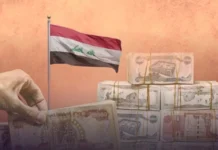
Adding to public concern are reports and rumors that the government may consider difficult economic measures to deal with the ongoing budget deficit. Among the issues being discussed is the possibility of adjusting the value of the Iraqi dinar and increasing the exchange rate of the U.S. dollar, a move that many fear could lead to higher prices and a greater burden on ordinary citizens.
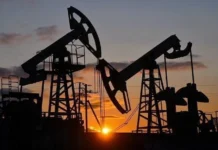
These concerns have intensified as Iraq faces financial challenges linked to declining oil revenues and disruptions in oil exports. At the same time, many observers say there are still no clear alternative revenue sources capable of making up for the lost income.
MP Duha Laibi of the Coordination Framework warned that living conditions for many Iraqis have become increasingly difficult. She said many citizens are struggling to meet their daily needs while also facing shortages in essential services.
According to Laibi, the continued protests seen across different provinces reflect deeper economic problems, particularly unemployment. She noted that thousands of university graduates continue to take to the streets demanding government jobs and employment opportunities.
She also pointed to widespread public frustration over ongoing corruption allegations and what many people see as a lack of effective action to recover wasted public funds or hold those responsible accountable.
Former MP Yasser al-Husseini also expressed concern about projects and contracts that he says involve large amounts of public money and are surrounded by allegations of corruption and mismanagement.
He called on the government to review such projects, reassess their implementation, and ensure that public funds are protected. Al-Husseini argued that some contracts approved in previous years may not have received sufficient economic or strategic evaluation before being signed.
According to critics, questionable contracts and financial mismanagement have contributed to the country’s current economic difficulties by placing additional pressure on public finances.
With oil revenues under strain and government spending needs remaining high, Iraq faces growing economic challenges. Many experts believe that addressing corruption, improving financial management, creating jobs, and developing non-oil sources of income will be critical if the country hopes to ease public frustration and strengthen economic stability in the coming years.
As protests continue and economic concerns grow, many Iraqis are watching closely to see what steps the government will take to address both the immediate financial pressures and the longer-term structural problems facing the economy.