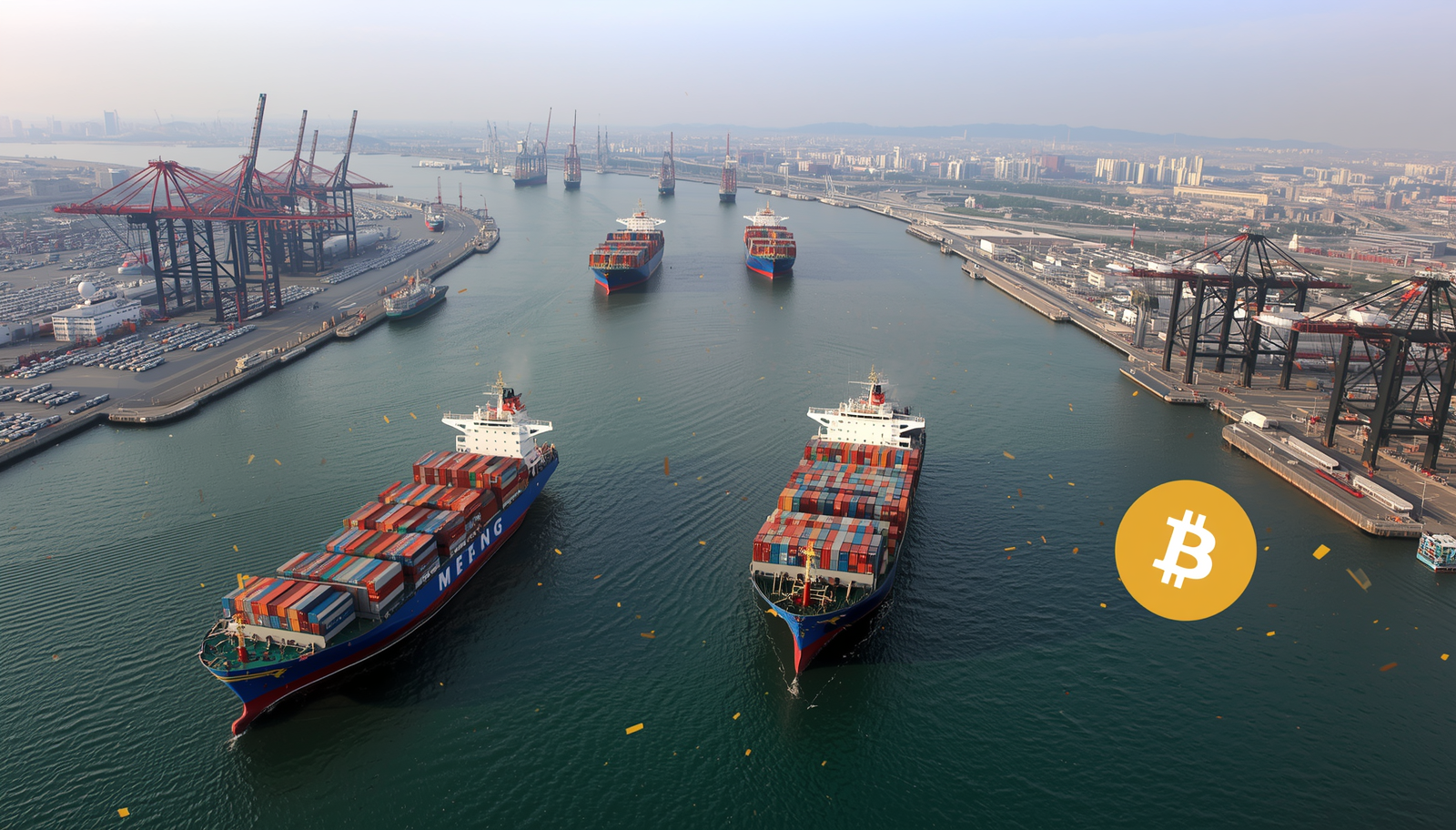
Iran is reportedly looking at a new insurance-based system for ships crossing the Strait of Hormuz, while rumors about Bitcoin payments are creating even more uncertainty around how the wartime shipping system could work.
According to Iran’s state-linked Fars News Agency, the Iranian Ministry of Economic Affairs has proposed a formal insurance system for ships using the Strait. The plan would reportedly connect marine transit with financial responsibility certificates and could generate more than $10 billion in revenue for Tehran.
The idea comes as shipping activity through the Strait of Hormuz remains under pressure because of the ongoing conflict between the United States and Iran. The waterway normally handles about one-fifth of global oil trade, but traffic has slowed sharply since U.S. airstrikes on Iran began in late February.
At the same time, speculation has been growing around possible Bitcoin-related payments. Screenshots shared online showed a platform called “Hormuz Safe” claiming to offer “secure digital insurance for maritime cargo.” Some crypto-focused reports suggested the platform could be linked to an Iranian plan to collect payments in Bitcoin.
However, the website was unavailable at the time of reporting, and there has been no official confirmation from Iranian authorities.
Iran denies crypto toll claims
Fars News previously denied reports that Iran was already charging ships in cryptocurrency to pass through the Strait of Hormuz. In an earlier report published on April 23, the outlet called the claims “inaccurate.”
Still, several international reports suggested Iran had explored crypto-based transit fees. Financial Times reported that Iran had considered charging oil tankers in cryptocurrency, with discussions reportedly starting at around $1 per barrel of oil. Bloomberg also reported that talks involving maritime operators included similar pricing ideas linked to intermediaries connected to Iran’s Revolutionary Guard.
Meanwhile, risk advisory company MARISKS warned that scammers were taking advantage of the situation. The firm said shipowners near the Strait received fake messages from unknown actors pretending to represent Iranian authorities and demanding payment in Bitcoin or Tether for safe passage.
MARISKS stressed that the messages were fraudulent and not connected to official Iranian agencies. The company also warned that at least one vessel may have come under attack after responding to the fake communications.
Bitcoin talk grows after USDT freeze
Interest in possible Bitcoin use increased after U.S. authorities froze $344 million worth of Tether linked to Iran last month.
Previous reports said Iranian-linked groups often used USDT and the Chinese yuan for energy-related payments, while sometimes accepting Bitcoin as well.
Blockchain analytics company Chainalysis previously noted that Iran has relied heavily on dollar-backed stablecoins like USDT on the Tron network to move funds outside traditional banking systems.
Some industry analysts believe Bitcoin could become more attractive for sanctioned countries because it does not rely on a centralized company that can freeze funds.
Earlier reports also claimed that certain ships could continue crossing the Strait if they paid a tariff of $1 per barrel in Bitcoin. Under that reported system, vessels would only receive payment instructions after approval from Iranian authorities, with transactions expected to happen quickly to avoid tracking or seizure under sanctions rules.