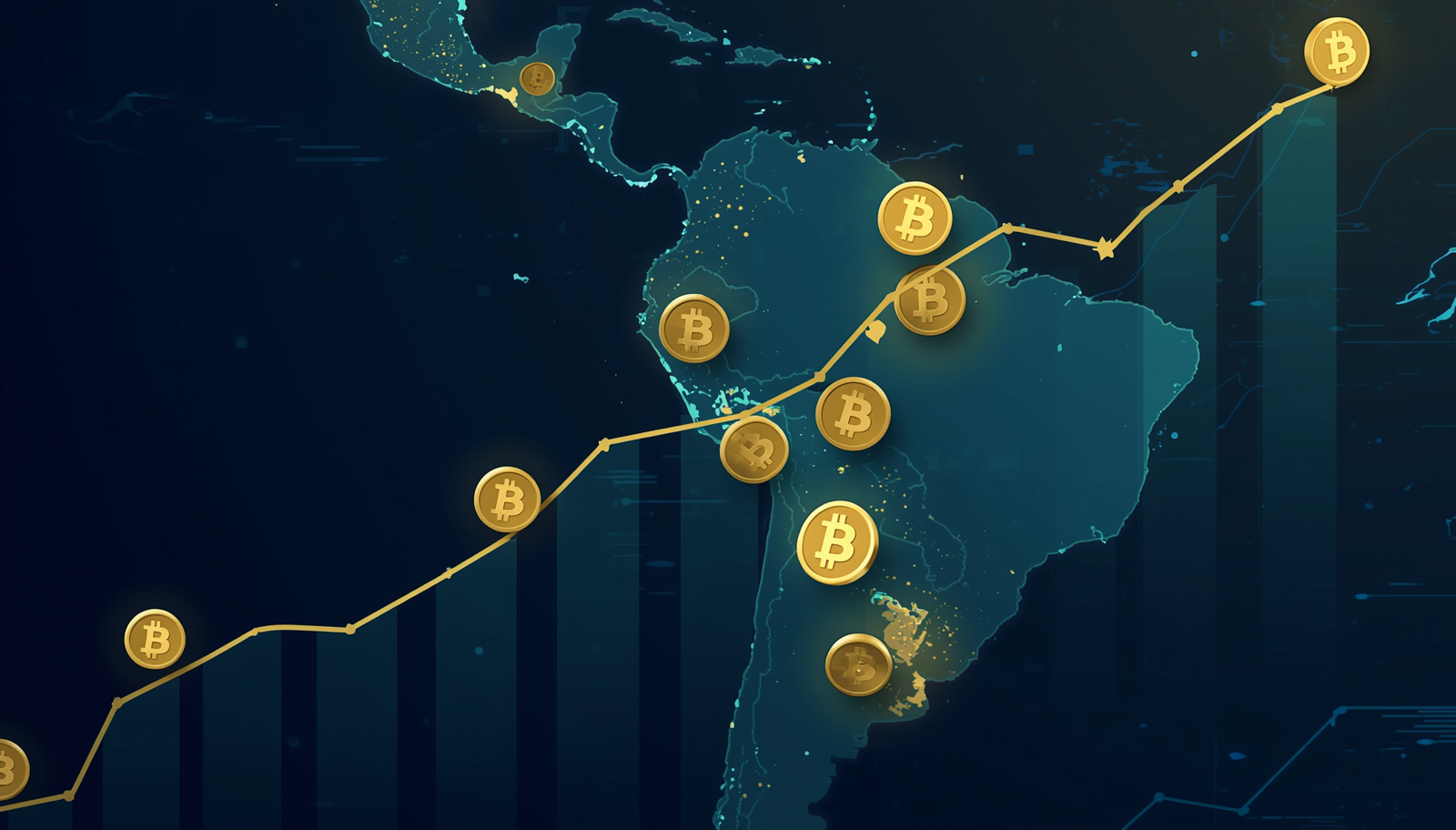
Crypto habits in Latin America are changing — and stablecoins are now leading the way.
According to a report from Bitso, dollar-backed stablecoins made up 40% of all crypto purchases on its platform in 2025. That’s a big shift, especially since Bitcoin came in at just 18%.
This is the first time stablecoins have overtaken Bitcoin in the region.
So what’s driving this change?
It mostly comes down to real-life needs. In many Latin American countries, inflation is still a serious problem. Local currencies can lose value quickly, and access to U.S. dollars isn’t always easy.
That’s where stablecoins come in.
Tokens like Tether and USD Coin are tied to the U.S. dollar, so people use them as a safer way to:
- Store value
- Send money
- Make everyday payments
Bitso describes this trend as “digital dollarization” — basically, people using digital dollars instead of their local currency.
The report is based on data from nearly 10 million users across the region, showing just how widespread this shift has become.
Even though stablecoins are winning in day-to-day use, Bitcoin isn’t going anywhere.
It still shows up in about 52% of user portfolios, making it the top long-term asset. In simple terms, people are using stablecoins for spending and saving short-term, while keeping Bitcoin as a long-term investment — similar to digital gold.
The global stablecoin market has also grown fast, reaching around $320 billion. This growth is helping expand their use not just in Latin America, but worldwide.
At the same time, companies are building new tools around this trend. For example, Mercado Libre recently launched a cross-border payment system using its own stablecoin across countries like Brazil, Mexico, and Chile.
All of this points to a clear shift:
- Stablecoins = everyday money
- Bitcoin = long-term store of value
In regions facing inflation and limited banking access, that combination is becoming the new normal.