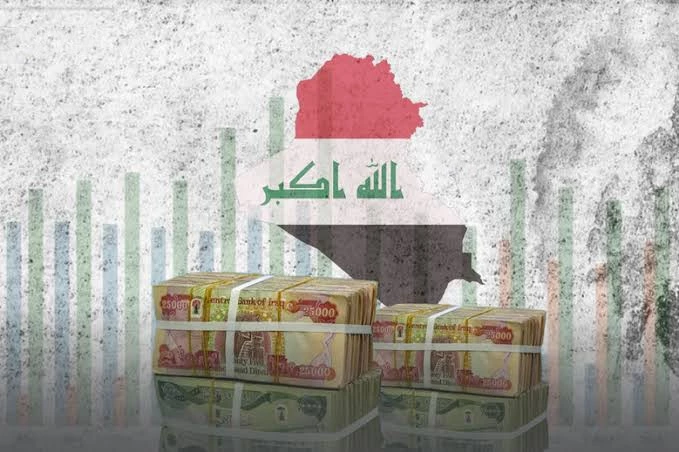
The 2027 budget is still being discussed within the Cabinet, and there is no confirmed date for sending it to Parliament. The government’s decision to increase the dollar exchange rate against the dinar has also created a need to review several budget items and recalculate the figures to match the new situation. At the same time, questions are being raised about why the government has not used several available sources of revenue. If the financial situation does not improve, the government may have to borrow money to cover its expenses.
Economic expert Dr. Safwan Qusay told dinaropinions.com that controlling spending will be a major priority in the coming period. He said the government needs to develop new sources of income, improve tax collection, better manage non-oil revenues, and involve the private sector to help cover the gap in government spending. These steps could help Iraq maintain financial and economic stability.
He added that Iraq is in a position to attract international companies and investments from different countries. The money coming into the country through these investments could help reduce the pressure caused by lower government spending.
According to Qusay, these investments could also create jobs across different sectors, support economic growth, and help Iraq move away from relying heavily on oil prices and export volumes. They could open the door to more stable and sustainable sources of income in the future.
Meanwhile, Hussein al-Karawi, a member of the organizing committee for the popular movement for the Faw Port and the Silk Road, criticized the Ministry of Oil’s policy. He said the ministry has set the budget oil price at a very low level despite the recent rise in global crude prices. Setting the price below $58 per barrel suggests that the ministry expects oil prices to fall.
He said the situation would be different if Iraq had more factories, refineries, and industries that could turn crude oil into higher-value products. In that case, the budget could use a higher oil price, especially if Iraq exported refined petroleum products to international markets at strong prices.
Al-Karawi also said Iraq could attract international companies to invest in refining, petrochemicals, and other downstream industries. This would help increase the value of its oil exports and generate more revenue for the budget, rather than relying on changes to the dollar exchange rate to raise government income.
MP Mohammed al-Bayati said most details of the 2027 budget are still unclear because the government has not finalized it. He explained that Parliament must wait for the Council of Ministers to approve the budget before it is sent to the House of Representatives. After that, the Parliamentary Finance Committee will review it through the usual process.
He also said borrowing to support the budget is a strong possibility because of the large financial deficit. The situation is made more difficult by regional developments and Iraq’s inability to export its usual amount of crude oil. Oil accounts for around 90% of the country’s total revenue.
Al-Bayati added that messages from the government indicate the budget is expected to reach Parliament in November. MPs are waiting to review its details, as many issues will need serious discussion. However, the actual size of the budget deficit is still unknown.The 2027 budget is still being discussed within the Cabinet, and there is no confirmed date for sending it to Parliament. The government’s decision to increase the dollar exchange rate against the dinar has also created a need to review several budget items and recalculate the figures to match the new situation. At the same time, questions are being raised about why the government has not used several available sources of revenue. If the financial situation does not improve, the government may have to borrow money to cover its expenses.
Economic expert Dr. Safwan Qusay told dinaropinions.com that controlling spending will be a major priority in the coming period. He said the government needs to develop new sources of income, improve tax collection, better manage non-oil revenues, and involve the private sector to help cover the gap in government spending. These steps could help Iraq maintain financial and economic stability.
He added that Iraq is in a position to attract international companies and investments from different countries. The money coming into the country through these investments could help reduce the pressure caused by lower government spending.
According to Qusay, these investments could also create jobs across different sectors, support economic growth, and help Iraq move away from relying heavily on oil prices and export volumes. They could open the door to more stable and sustainable sources of income in the future.
Meanwhile, Hussein al-Karawi, a member of the organizing committee for the popular movement for the Faw Port and the Silk Road, criticized the Ministry of Oil’s policy. He said the ministry has set the budget oil price at a very low level despite the recent rise in global crude prices. Setting the price below $58 per barrel suggests that the ministry expects oil prices to fall.
He said the situation would be different if Iraq had more factories, refineries, and industries that could turn crude oil into higher-value products. In that case, the budget could use a higher oil price, especially if Iraq exported refined petroleum products to international markets at strong prices.
Al-Karawi also said Iraq could attract international companies to invest in refining, petrochemicals, and other downstream industries. This would help increase the value of its oil exports and generate more revenue for the budget, rather than relying on changes to the dollar exchange rate to raise government income.
MP Mohammed al-Bayati said most details of the 2027 budget are still unclear because the government has not finalized it. He explained that Parliament must wait for the Council of Ministers to approve the budget before it is sent to the House of Representatives. After that, the Parliamentary Finance Committee will review it through the usual process.
He also said borrowing to support the budget is a strong possibility because of the large financial deficit. The situation is made more difficult by regional developments and Iraq’s inability to export its usual amount of crude oil. Oil accounts for around 90% of the country’s total revenue.
Al-Bayati added that messages from the government indicate the budget is expected to reach Parliament in November. MPs are waiting to review its details, as many issues will need serious discussion. However, the actual size of the budget deficit is still unknown.