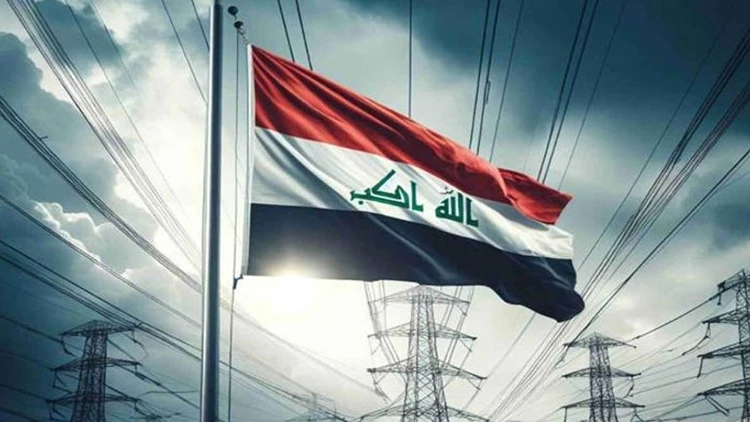
Iraq’s electricity sector continues to face major challenges, with the national grid still depending heavily on privately generated power and imports from neighboring countries.
The Economic Observatory of Iraq (ECO-Iraq) said that an analysis of the Ministry of Electricity’s 2025 annual report shows total electricity production reached about 170.1 million megawatt-hours during the year.
According to the report, government-owned power plants, including gas, steam, hydroelectric, and diesel facilities, supplied 59% of the country’s electricity needs. The remaining 41% came from electricity purchased from investment projects and through power interconnection agreements with neighboring countries.
One of the most significant developments was the sharp decline in hydroelectric power generation. Production from hydroelectric plants fell by about 50.8%, dropping from roughly 3.48 million megawatt-hours in 2024 to around 1.71 million megawatt-hours in 2025. ECO-Iraq linked the decline to worsening drought conditions, lower water levels in dams, and reduced river flows.
The report also highlighted technical problems within the power sector. Some gas and steam plants recorded thermal efficiency rates below 20%, while several power stations and transmission lines remained out of service for extended periods because of maintenance delays and shortages of spare parts.
The Ministry of Electricity has pointed to reduced gas supplies and illegal connections to the power grid as key reasons behind declining electricity availability. Many provinces continue to experience frequent power outages.
Iraq has struggled with electricity shortages for decades, especially during the summer when demand rises sharply due to extreme heat. Despite repeated government plans and significant spending on the sector, electricity supply still falls short of public demand and expectations.