Pete Hegseth has confirmed something that hasn’t been said this clearly before: the U.S. military is actively working on Bitcoin at a classified level.
Speaking to the House Armed Services Committee on April 30, he said the Pentagon is running Bitcoin-related programs on two fronts:
- Supporting and developing the technology
- Figuring out how to counter it
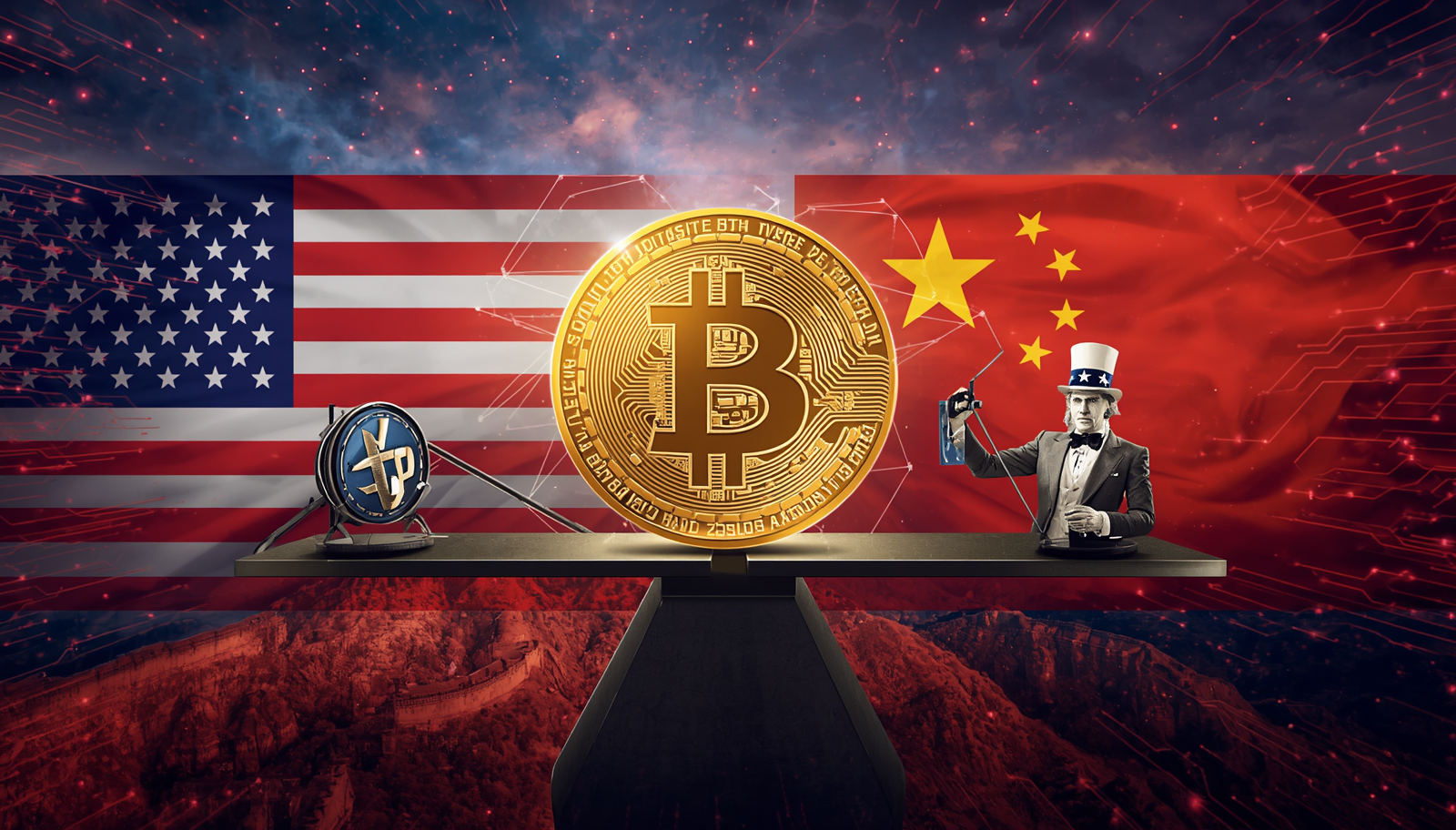
He made it clear these efforts are ongoing and largely secret, but also said they give the U.S. strategic advantages — especially when dealing with countries like China.
Hegseth also shared his personal view, calling himself a long-time supporter of Bitcoin and its potential. That makes him the first sitting Defense Secretary to openly link Bitcoin to national security efforts in this way.
There’s more behind the scenes.
Earlier in April, Samuel Paparo, head of the U.S. Indo-Pacific Command (INDOPACOM), confirmed that the military is already testing Bitcoin in real operations. He said they’re running a live Bitcoin node and studying how the system works in cybersecurity environments.
His takeaway: Bitcoin isn’t just money — it’s a technology that can create real-world effects, especially in digital conflict.
This comes at a time when Bitcoin is becoming part of global power dynamics.
- Russia controls around 16% of global Bitcoin mining
- China still holds about 12%, even after banning mining in 2021
That means where Bitcoin is mined — and who controls that infrastructure — is now a strategic issue.
At the same time, governments are starting to use Bitcoin in real geopolitical situations. For example, Iran has reportedly used Bitcoin in trade linked to the Strait of Hormuz, tying crypto directly to active conflict zones.
The U.S. has also taken steps on its side. Earlier in 2026, an executive order created a national Bitcoin reserve using confiscated assets, signaling that the government sees value in holding BTC long-term.
Put all this together, and the message is clear:
Bitcoin is no longer just a financial asset.
It’s becoming part of defense strategy, cybersecurity, and global competition — and governments are now treating it that way.