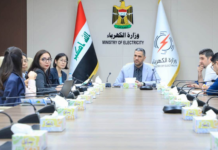
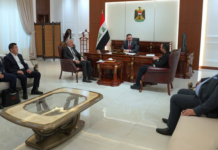
Iraq is studying a new strategic project aimed at modernizing its electricity sector and expanding the use of renewable energy, following discussions between the Ministry of Planning and Germany’s GIZ (Deutsche Gesellschaft für Internationale Zusammenarbeit).
According to the Ministry of Planning, the proposed project is designed to support Iraq’s transition toward cleaner energy sources, improve energy efficiency, and strengthen long-term planning for the electricity sector.
During the meeting, officials reviewed the project’s main framework, which focuses on five key areas.
The first area involves developing integrated investment plans for the electricity sector and identifying financing options to support future growth and infrastructure development.
The second focuses on updating technical planning and operational systems to allow renewable energy sources, such as solar and wind power, to be integrated into Iraq’s electricity transmission and distribution networks.
A third component aims to reform and develop the electricity market through institutional improvements, new market structures, and competitive bidding processes for energy projects.
The project also seeks to regulate off-grid electricity activities by establishing technical standards and regulatory frameworks for mini-grid systems, while creating mechanisms for awarding power purchase contracts in areas not connected to the national grid.
The fifth area centers on improving energy efficiency and supporting Iraq’s climate commitments by making the power system more economically and technically efficient.
Officials from both sides emphasized that the project could play an important role in strengthening Iraq’s energy sector by benefiting from international expertise while building local capabilities.
The discussions were attended by Dr. Ahmed Mohammed Hassan, head of the Ministry of Planning’s expert team, along with representatives from the ministry’s sector and international cooperation departments and officials from GIZ.
If approved and implemented, the project could help Iraq reduce pressure on its electricity system, attract investment into clean energy, and support the country’s broader goals of sustainable development and economic modernization.