As tensions disrupt traffic in the Strait of Hormuz, Iraq is starting to rely more on alternative trade and energy routes.
With one of the world’s most important oil pathways under pressure, Iraq is looking for faster and safer ways to move goods and energy.
One of the key options is a new corridor linked to NEOM, along with overland routes through Syria and Turkey. These routes are becoming more important as risks in the Gulf increase.
Exporters are already using a Europe-to-Gulf route that combines trucks and ferries through Egypt. This allows goods to reach markets like the UAE, Kuwait, Iraq, and Oman without depending fully on sea routes.
For Iraq, this means quicker access to European products and less exposure to disruptions caused by regional tensions involving the US, Israel, and Iran.
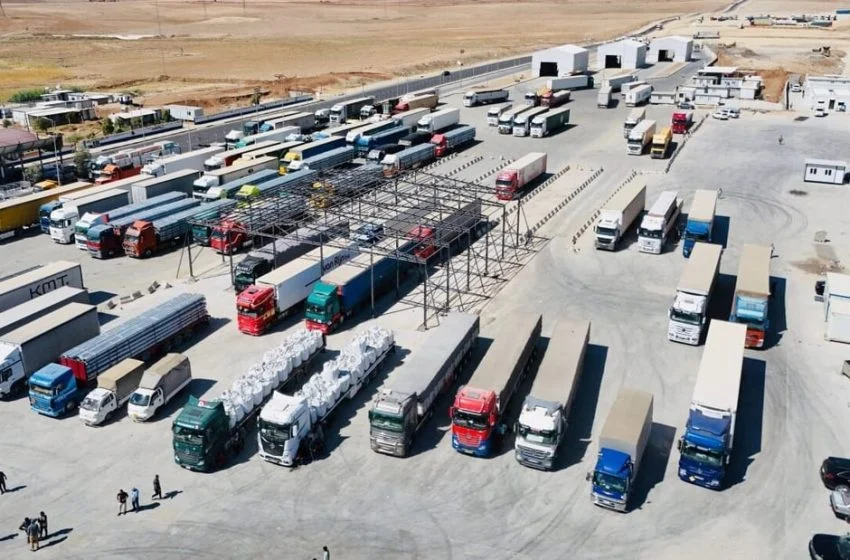
At the same time, Iraq is expanding western routes. Some exports are now moving through Syria’s Baniyas Port, with goods transported overland through Anbar.
As shipping through the Strait of Hormuz becomes more uncertain, these alternatives are no longer just options—they are becoming necessary.
Logistics companies like Pan Marine and DFDS are helping support the NEOM-linked corridor, aiming to speed up delivery times and make supply chains more reliable.
In simple terms, Iraq is adjusting to a changing reality. By opening new trade paths, it’s trying to keep goods moving, protect its economy, and reduce the risks tied to ongoing regional instability.