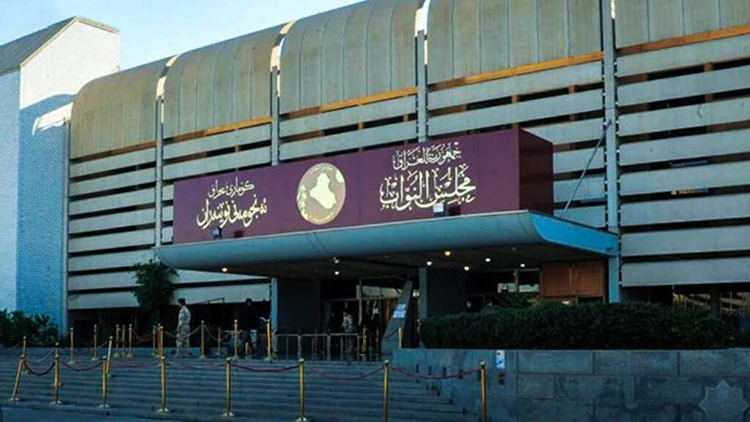
A member of Iraq’s parliament has called on the federal government to implement long-delayed compensation measures for citizens who were forcibly displaced by the former Ba’athist regime, arguing that thousands of affected families remain without justice decades after their suffering.
Ahlam Ramadan, a lawmaker from the Patriotic Union of Kurdistan (PUK), said successive governments since 2003 have failed to compensate individuals and families who were deported and forcibly displaced during the late 1980s, despite the existence of legislation designed to address their grievances.
Speaking to dinaropinions.com, Ramadan stated that thousands of families affected by forced displacement policies under the former regime continue to face deprivation and marginalization. She noted that many of those displaced have yet to receive any financial compensation or practical support.
According to Ramadan, parliament previously passed a law intended to provide justice and compensation to victims of forced displacement. However, she said the legislation has remained largely unimplemented due to government delays, administrative obstacles and bureaucratic procedures.
She argued that the continued neglect of this group constitutes a second injustice, adding to the hardships they endured during their displacement and deportation.
Ramadan urged the federal government and relevant state institutions to accelerate the implementation of the law and allocate the necessary financial resources to compensate affected families. She stressed that restoring the rights of displaced citizens and providing the compensation mandated by law should be treated as an urgent priority.
The issue remains one of several unresolved legacy cases stemming from policies implemented during the former regime, with affected families continuing to seek recognition, restitution and financial support decades after their displacement.