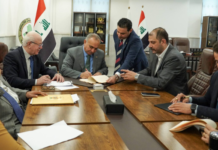
Ahmed Shaheed, a member of Iraq’s Parliamentary Integrity Committee, said the proposed Law on Recovering the Proceeds of Corruption is designed to strengthen Iraq’s ability to track, seize, and recover money obtained through corruption, whether those funds remain inside the country or have been moved abroad.
According to Shaheed, the legislation would help close legal gaps that have made it difficult for authorities to recover stolen public funds. The law aims to create clearer procedures for identifying, tracing, and reclaiming assets linked to corruption cases.
He explained that the proposal includes measures allowing authorities to freeze and seize assets suspected of being connected to corruption until judicial investigations and court proceedings are completed. The law would also encourage closer coordination between the judiciary, the Integrity Commission, oversight agencies, and financial institutions.
Shaheed noted that one of the key features of the legislation is its focus on assets that have been hidden or transferred into the names of other individuals to conceal their true ownership. The law would provide mechanisms to investigate such cases and follow the money trail more effectively.
Another major goal is to strengthen international legal cooperation. Many corruption-related funds are believed to have been transferred outside Iraq, and the proposed law seeks to improve cooperation with foreign governments and judicial authorities to recover those assets.
He stressed that recovering stolen money should go hand in hand with prosecuting those responsible for corruption. In his view, targeting the financial gains from corruption is essential because it removes the incentive for such crimes and helps prevent offenders from benefiting from illegal activities.
Shaheed emphasized that returning stolen funds to the state treasury remains a key priority in Iraq’s fight against corruption. He called for the law to be fully activated and effectively enforced, arguing that strong implementation will be just as important as the legislation itself in protecting public money and increasing accountability.