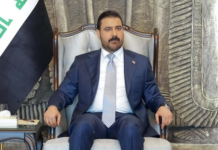
Economic expert Basil Al-Obaidi has criticized efforts to prepare and approve Iraq’s general budget at this stage of the year, arguing that it would provide little practical benefit and could create more problems than solutions.
Al-Obaidi said Iraq is already nearing the end of the first half of the year, and the lengthy procedures required to approve a budget would likely push its final approval into September. In his view, approving a budget for only the remaining few months of the year would have very limited value.
He explained that preparing a budget depends on accurately estimating government revenues and expenditures, something that has become increasingly difficult under current economic conditions. According to him, Iraq’s revenues have been affected by regional tensions and disruptions to oil exports through the Strait of Hormuz, making financial planning more challenging.
Al-Obaidi said the country may need at least two months to regain a degree of financial stability, particularly if oil exports return to normal levels and conditions improve in regional energy markets. He noted that reopening export routes and restoring normal crude oil shipments would be important steps toward stabilizing government finances.
The economist also warned that any budget proposal introduced at this point could quickly become a political battleground. He said lawmakers and political groups may push for large numbers of new appointments, additional benefits, spending increases, and competing projects that a short-term budget would struggle to accommodate.
Instead of rushing a full annual budget, Al-Obaidi suggested that the government prepare an emergency operational budget to manage state spending for the remainder of the year. He believes this approach would allow Iraq to address immediate financial needs while postponing a comprehensive budget until 2027.
According to Al-Obaidi, the next full budget should be based on realistic financial conditions and long-term planning rather than repeating the shortcomings of previous budgets. He stressed that Iraq needs a practical and effective budget that can be implemented successfully, rather than one that exists mainly on paper.
His comments reflect growing concerns among economists about Iraq’s financial management as the country continues to face economic uncertainty, fluctuating oil revenues, and regional challenges that affect government income and spending plans.