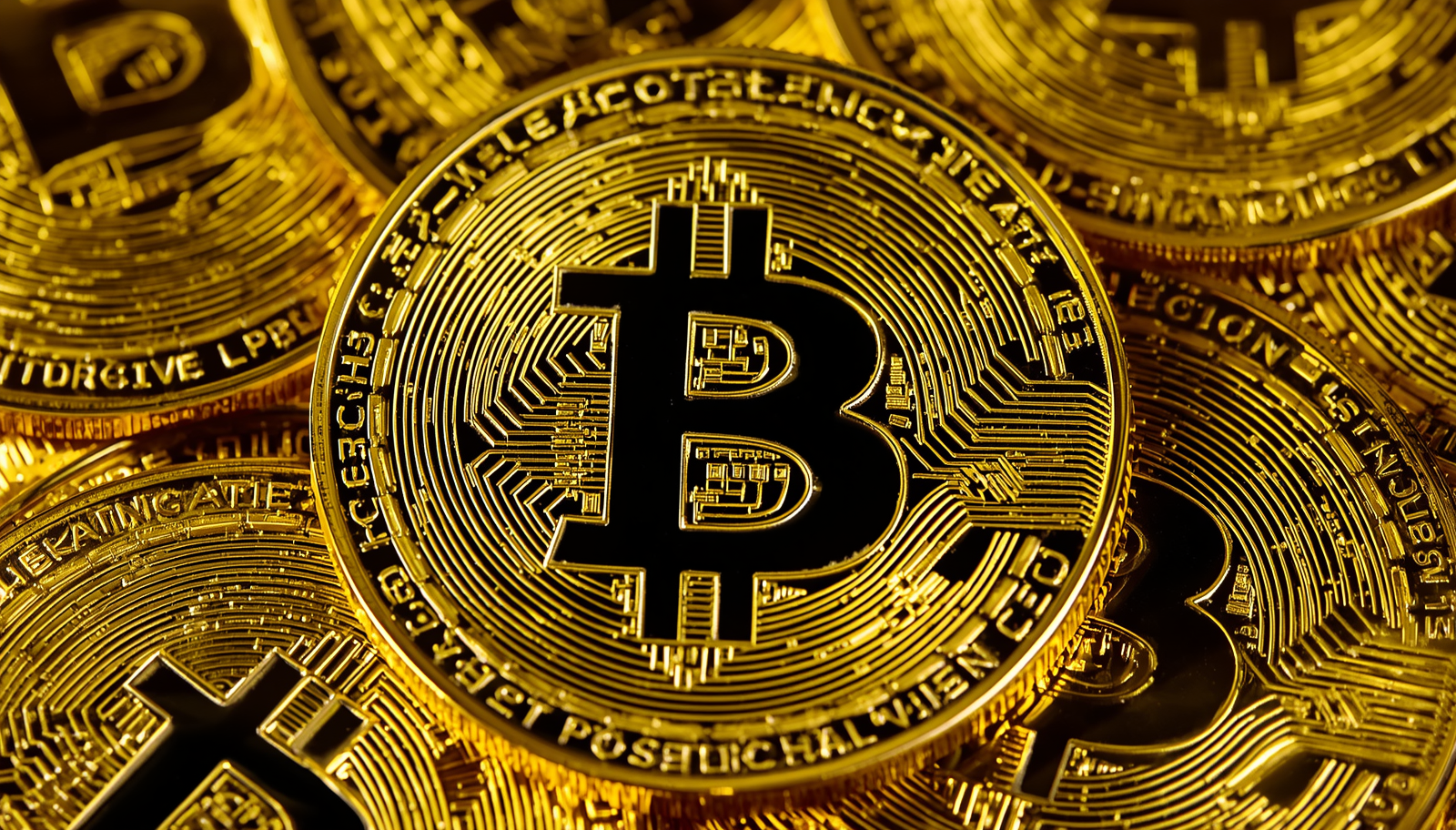
The crypto community is once again talking about a sensitive topic: what should happen to Bitcoin held by its mysterious creator, Satoshi Nakamoto.
Those coins — untouched since the early days — are now part of a bigger debate because of one thing: quantum computing.
Some developers are worried that future quantum machines could break older Bitcoin security methods, especially early wallet types. That has raised questions about whether those dormant coins could one day be at risk.
But many in the community are pushing back against any idea of вмешلة (forced action).
Alex Thorn from Galaxy Digital said the majority view is clear: Satoshi’s coins should not be touched.
Why? Because it’s not just about security — it’s about principle.
Bitcoin is built on the idea that whoever owns the private keys controls the coins. If the network ever steps in and overrides that rule, it could damage trust in the entire system.
In simple terms:
- If you change the rules for Satoshi
- You weaken the rules for everyone
There are also practical points.
Satoshi’s holdings are spread across thousands of wallets, many with relatively small amounts. That makes a large-scale attack harder than people might think.
Still, the biggest fear isn’t just hacking — it’s what would happen if those coins suddenly moved. Since they’ve been inactive for years, any movement could shock the market and trigger panic.
Even then, some argue it’s better to accept a big price drop than break Bitcoin’s core principles. As Thorn put it, the market could survive a major decline, but changing ownership rules would be much harder to recover from.
At the same time, developers aren’t ignoring the quantum threat.
Work is already underway on “post-quantum” security — new methods that could protect Bitcoin in the future. Active users can also move their funds to newer, safer wallet types if needed.
So the current stance looks like this:
- Leave Satoshi’s coins untouched
- Protect the network through upgrades, not intervention
- Preserve Bitcoin’s core rule: ownership cannot be changed
It’s a tricky balance between future risk and present principles — and for now, most of the community is choosing to protect the rules over reacting to the unknown.