France’s biggest refinery is running hard as global energy markets feel pressure from the Middle East conflict.
Summary
Total Energies is pushing production to keep diesel and jet fuel flowing as supply worries grow.
The Gonfreville-l’Orcher refinery is trying to maximize output, though increases may be limited to around 5%.
The site has replaced Gulf crude with supplies from the United States, Europe, and Africa to keep operations steady.
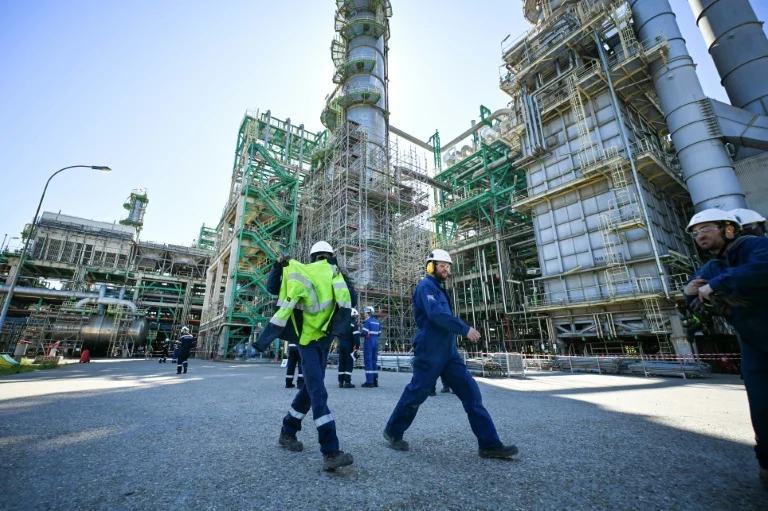
Inside the massive refinery near Le Havre, everything is moving at full speed.
With more than 40,000 kilometers of pipes, the facility is working around the clock to help keep planes flying and trucks moving.
And right now, diesel and jet fuel are the focus.
Trying to Squeeze Out More Fuel
At the heart of the push is the refinery’s hydrocracking unit, where heavier parts of crude are converted into more valuable fuels like diesel and aviation fuel.
That is where the refinery is trying to produce a little more.
But there is a limit.
Refineries are built to turn crude into certain product mixes, and they can only bend so far without expensive new equipment.
So even with maximum effort, officials say output likely will not rise by more than about 5%.
Not huge, but in a tight market, every barrel matters.
Why It Matters
France only produces about half the diesel it uses.
So supply pressure matters fast.
This refinery alone processes about 12 million tons of crude a year and supplies around 12% of fuel sold at French gas stations.
It also feeds jet fuel by pipeline to Paris’s Charles de Gaulle airport.
So what happens here matters far beyond the refinery gates.
Adjusting to Supply Shocks
Before the war, about a fifth of the refinery’s crude came from the Gulf.
That has now been replaced with cargoes from the United States, Europe, and Africa.
Management says supplies for the coming weeks are secure, and work is already underway to lock in June deliveries.
For now, they say they are not worried about shortages.
Margins Rise as Pressure Builds
Higher tension in oil markets has helped refiners make more money.
When fuel gets tight, refining margins often rise.
But refinery executives are also warning against looking only at today’s profits, noting European refiners have faced long periods of squeezed margins in recent years.
Big Picture
The story here is resilience.
Refineries cannot magically solve a supply shock, but they can stretch output, shift crude sources, and help stabilize fuel flows.
And right now, that is exactly what France’s largest refinery is trying to do.